
What it is
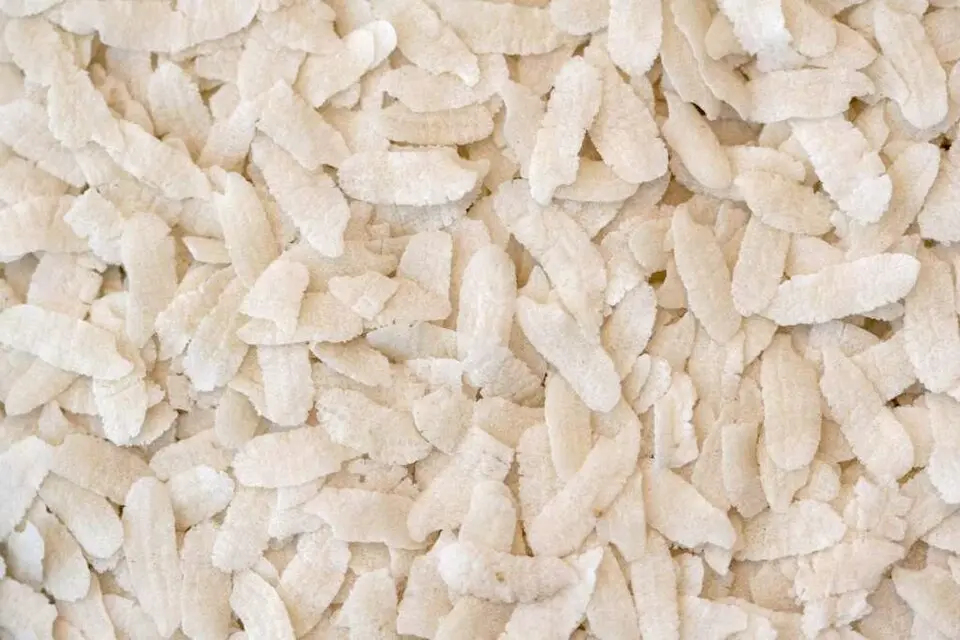
Poha (पोहा) is flattened rice made from dehusked grains of Oryza sativa that are parboiled, rolled, flattened under rollers, and dried into flakes. It is sold as dry cereal flakes.
Across India, it goes by many names: Pohe (Marathi), Aval (Tamil, Malayalam), Atukulu (Telugu), Avalakki (Kannada), Chira/Chire (Bengali), Chuda (Odia), and Pauwa (Gujarati).
Flavour and aroma
Neutral, delicate cereal taste that readily absorbs aromatic spices, citrus juices, and cooking oils. Carries a gentle, nutty undertone.
Cooking with it
When to add it
For Maharashtrian Kanda Poha, rinse thick flakes and add them into a pan of turmeric, mustard seeds, green chillies, onions, and peanuts so the flakes steam through without breaking.
In Madhya Pradesh, steamed poha is seasoned with jeeravan and served topped with sev, pomegranate, and chopped raw onions.
In Bihar and eastern India, mix flattened rice with plain curd and jaggery for Dahi Chura. For snacks, dry-roast or flash-fry thin or thick flakes with peanuts and curry leaves to make chivda.
Origin and where it grows
Flattened rice originated on the Indian subcontinent, where it has been prepared for millennia and is recorded in ancient Sanskrit works under the name prithuka. Bihar is a primary producer of paddy and traditional flattened rice, including specialized aromatic chuda varieties. Marcha Chura, prepared from the GI-tagged Marcha rice of West Champaran in Bihar, is celebrated for its distinctive natural fragrance and tenderness.
Grown in
Notable varieties
- Marcha Rice (Marcha Chura)GI tagged
Bihar
Buying and storing
How to pick good quality
Select thick flakes for cooked savory preparations so they hold shape after rinsing. Reserve thin flakes for dry-roasting, frying, or raw milk mixes.
Simple adulteration check
Inspect flattened rice to verify it is free from rodent contamination, insect webbing, foreign stones, and artificial whitening powders under FSSAI grain purity guidelines.
Storage
Store flattened rice in an airtight container placed in a cool, dry, and moisture-free pantry to prevent dampness and insect infestation.
Shelf life: 6-12 months in airtight, moisture-free storage.
Frequently asked questions
Which poha should I use for Kanda Poha vs chivda?
Use thick flakes for cooked savory dishes like Kanda Poha so they hold shape after rinsing. For chivda, use thin (or thick) flakes that you dry-roast or flash-fry.
When should I add rinsed poha to the pan?
During the main cooking stage. Add the rinsed flakes into the spiced sauté so they gently steam through without breaking.
How do I store poha and how long does it last?
Keep it in an airtight container in a cool, dry, moisture-free pantry. Uncooked flakes keep well for 6 to 12 months when stored properly.
How can I check if my poha is pure?
Inspect the flakes for any rodent contamination, insect webbing, foreign stones, or artificial whitening powders as per FSSAI grain purity guidelines.
What are the regional names for poha?
Pohe (Marathi), Aval (Tamil, Malayalam), Atukulu (Telugu), Avalakki (Kannada), Chira/Chire (Bengali), Chuda (Odia), and Pauwa (Gujarati).
Related ingredients
 Grain and rice
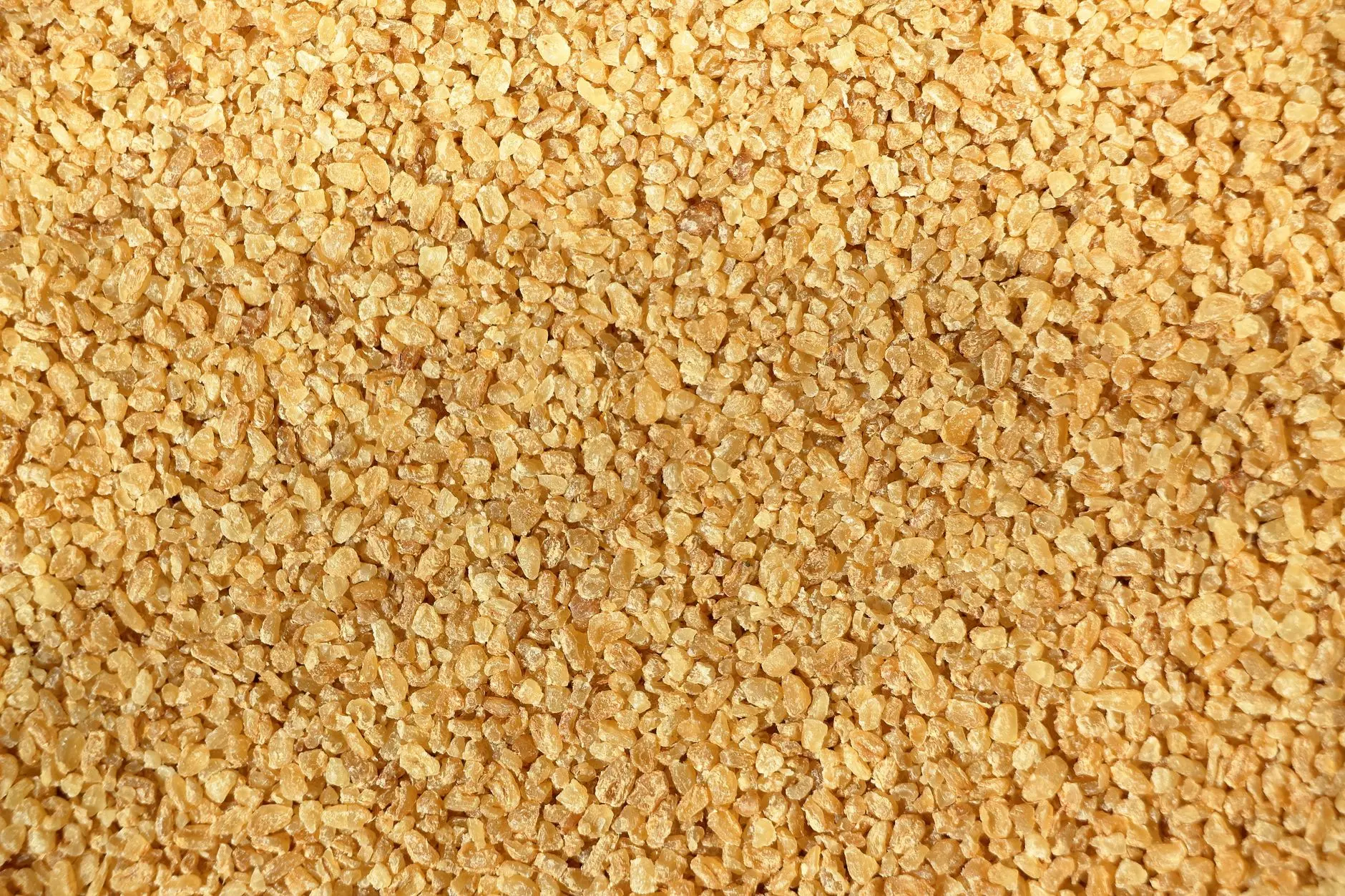
Broken wheat
दलिया (Daliya)
 Grain and rice
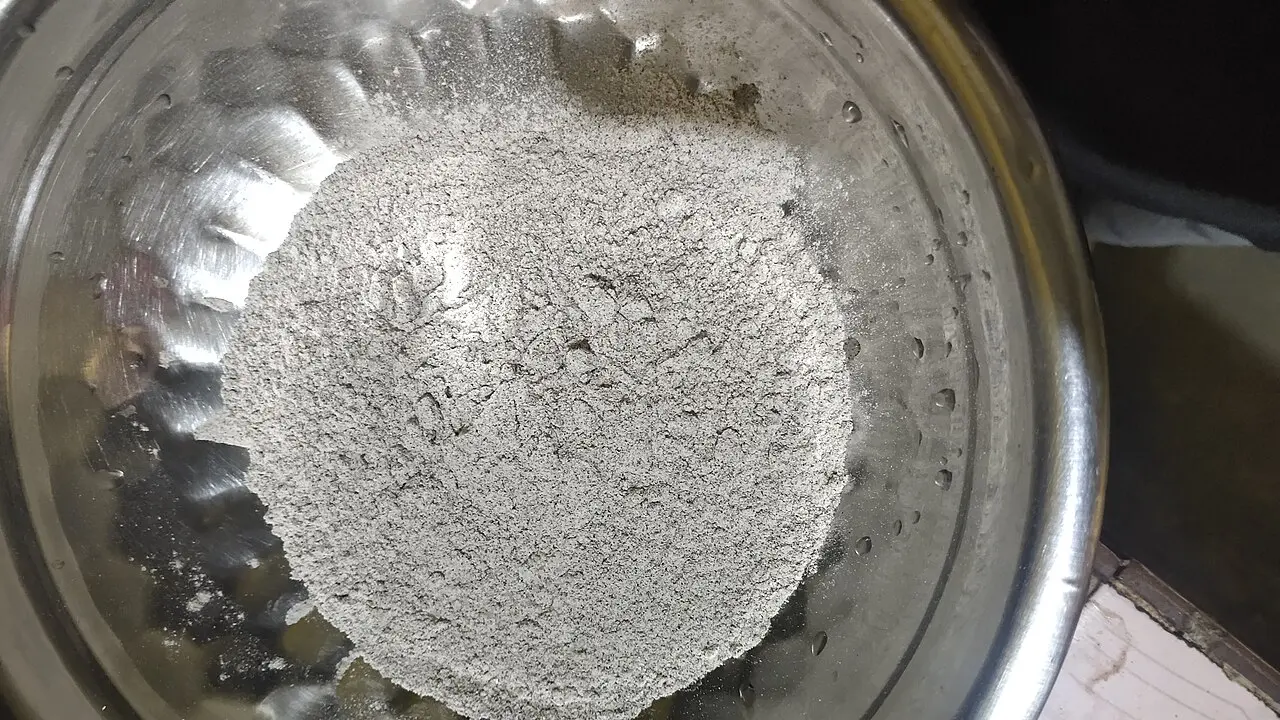
Finger millet
रागी (Ragi)
 Grain and rice
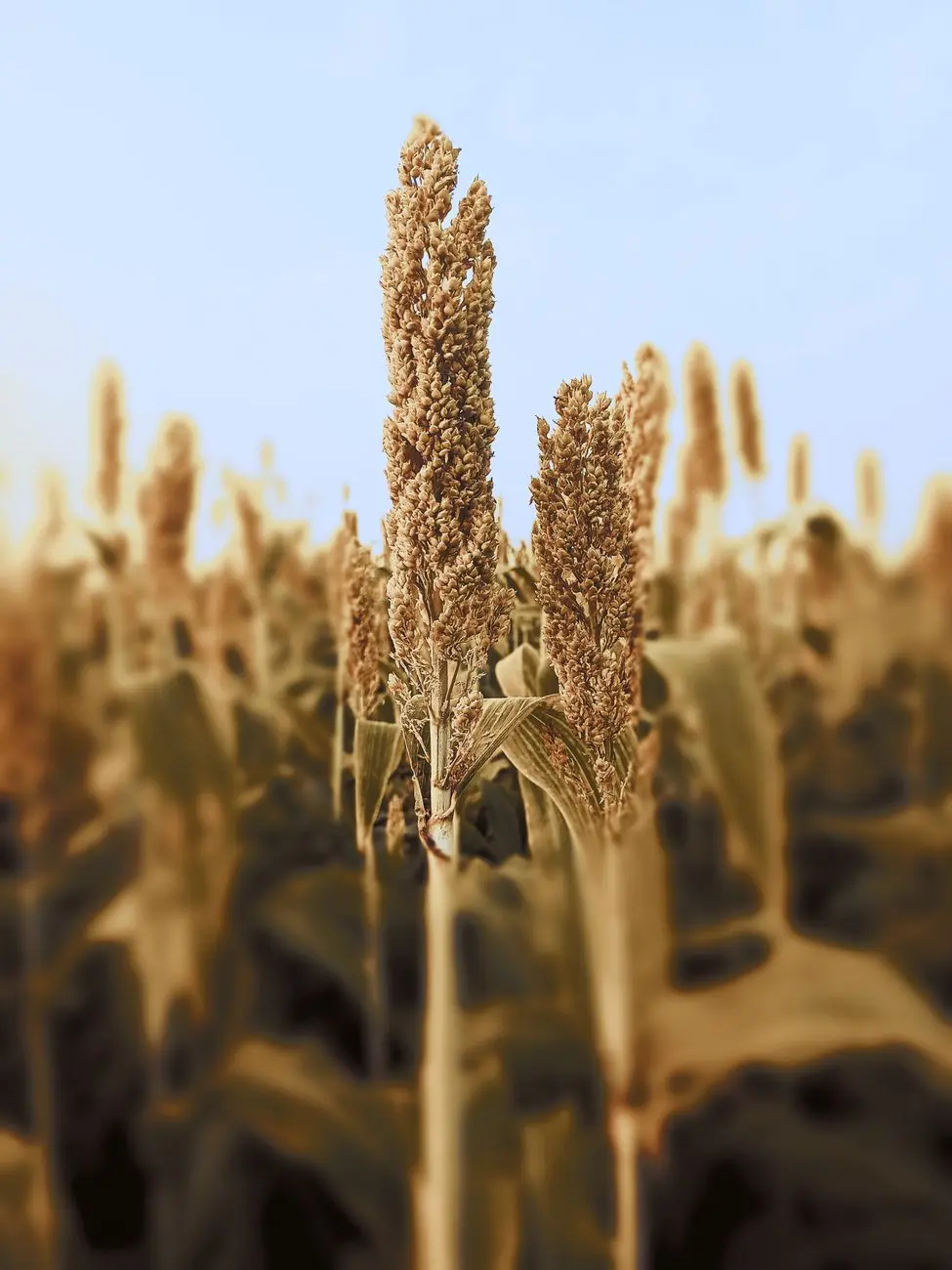
Pearl millet
बाजरा (Bajra)
 Grain and rice
Semolina
सूजी (Suji)
 Grain and rice
Sorghum
ज्वार (Jowar)
 Grain and rice
Idli rice
इडली चावल (Idli chawal)