
What it is
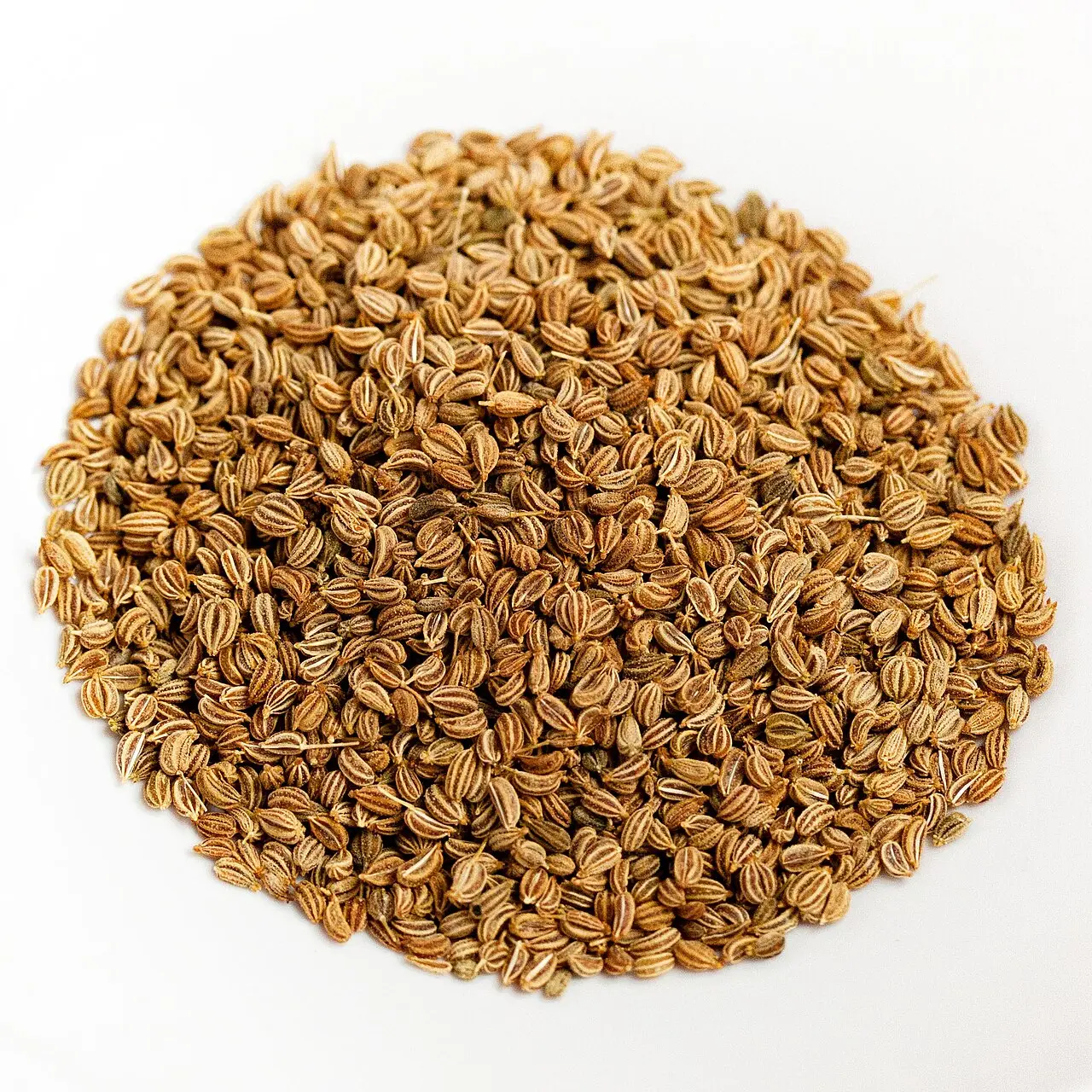
अजवाइन (Ajwain), or carom seeds, are the small, ribbed, oval-shaped fruit pods (schizocarps) of Trachyspermum ammi, an annual herbaceous plant in the Apiaceae family.
You’ll also hear Omam (Tamil), Vamu (Telugu), Oma (Kannada), Ova (Marathi), Ajmo (Gujarati), and Jowan (Bengali).
Flavour and aroma
Sharp, pungent and warm, with a heavily aromatic fragrance like intense thyme or oregano due to thymol; the profile is assertive and cuts through rich ingredients. Chewed raw it’s distinctly bitter, but rubbing or tempering in hot ghee brings a mellow, savory, herbal note.
Cooking with it
When to add it
For tadka, bloom the seeds in hot oil or ghee at the start of cooking vegetables or lentils; the heat softens raw bitterness and releases aroma.
Mix ajwain straight into flour for doughs and into fritter batters. It’s a defining touch in snack doughs like samosa crust, namak pare, and mathri, balancing deep‑fried flour. Stir into chickpea flour batter for pakoras and bhajiyas.
Pair with arbi and potatoes to ease starchy heaviness. Steep in boiling water or blend into spiced buttermilk for soothing digestive drinks. You can also dry-roast and grind it for finishing seasonings or digestive spice mixes.
Substitutes
- Dried thymeuse equal or slightly greater amounts, as thyme is milder and less bitter than ajwain
Origin and where it grows
Carom is indigenous to the eastern Mediterranean and Southwest Asia. It has been cultivated across India since antiquity.
Grown in
Buying and storing
How to pick good quality
Look for olive-green to light-brown seeds with a crisp texture. Crush a pinch; fresh seeds release an immediate thyme-like aroma.
Storage
Store whole carom seeds in an airtight glass or ceramic container away from direct sunlight, excess heat, and moisture.
Frequently asked questions
How do I use ajwain in tadka?
Bloom the seeds in hot oil or ghee at the start of cooking vegetables or lentils. This quickly releases aroma and tames the raw bitterness.
Can I add ajwain directly to dough or batter?
Yes. Mix the whole seeds into flour before kneading, and into chickpea flour batters for pakoras and bhajiyas.
What can I substitute for ajwain?
Dried thyme. Use equal or slightly more, as thyme is milder and less bitter.
Which Indian states produce ajwain?
Rajasthan, Gujarat, and Madhya Pradesh are key producers.
What does ajwain taste and smell like?
Pungent, warm and sharp, with a thyme- and oregano-like aroma from thymol. Chewed raw it’s distinctly bitter; tempering makes it more mellow and savory.
Related ingredients
 Spice
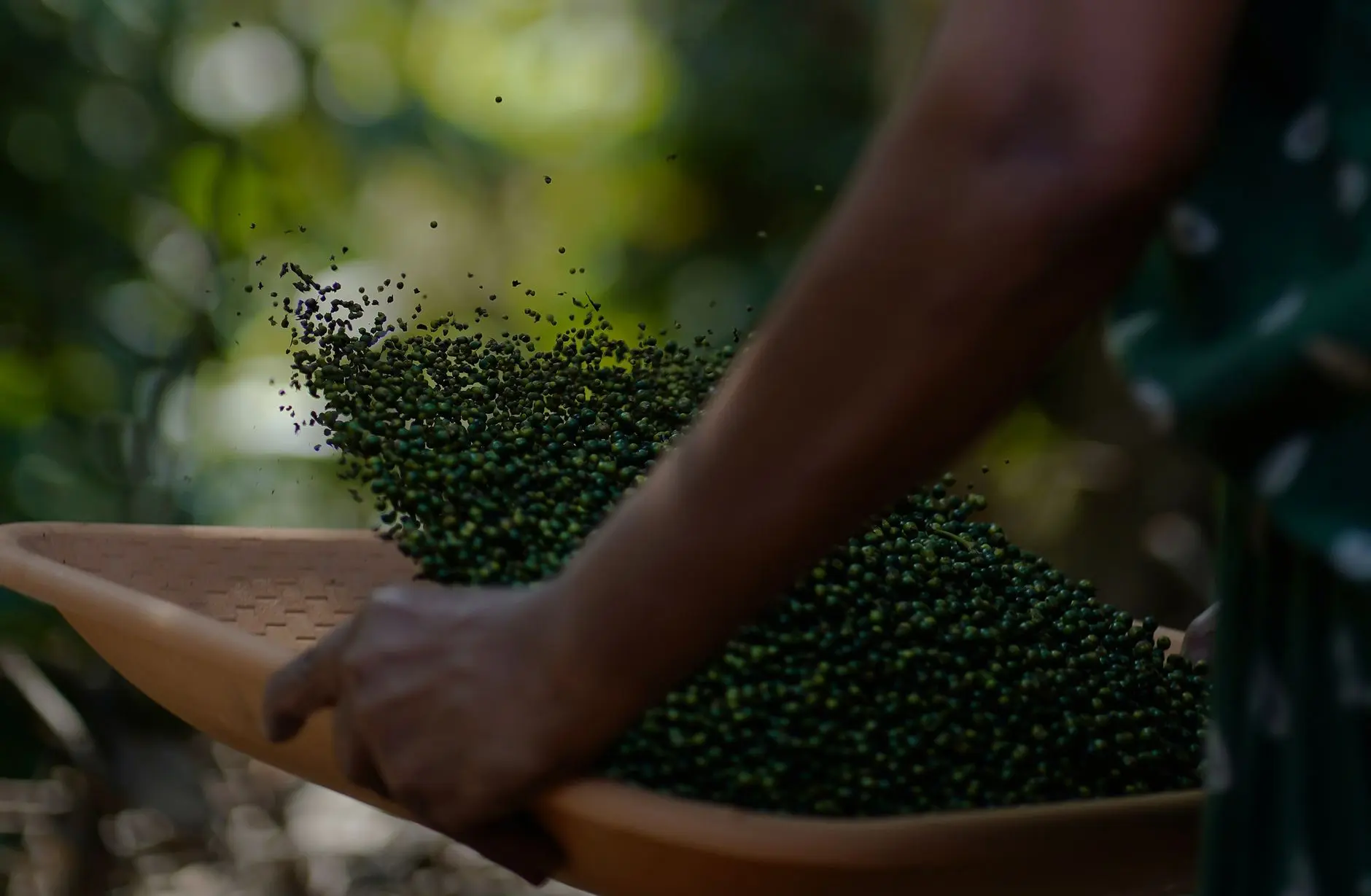
SpiceBlack pepper
काली मिर्च (Kali mirch)
 Spice
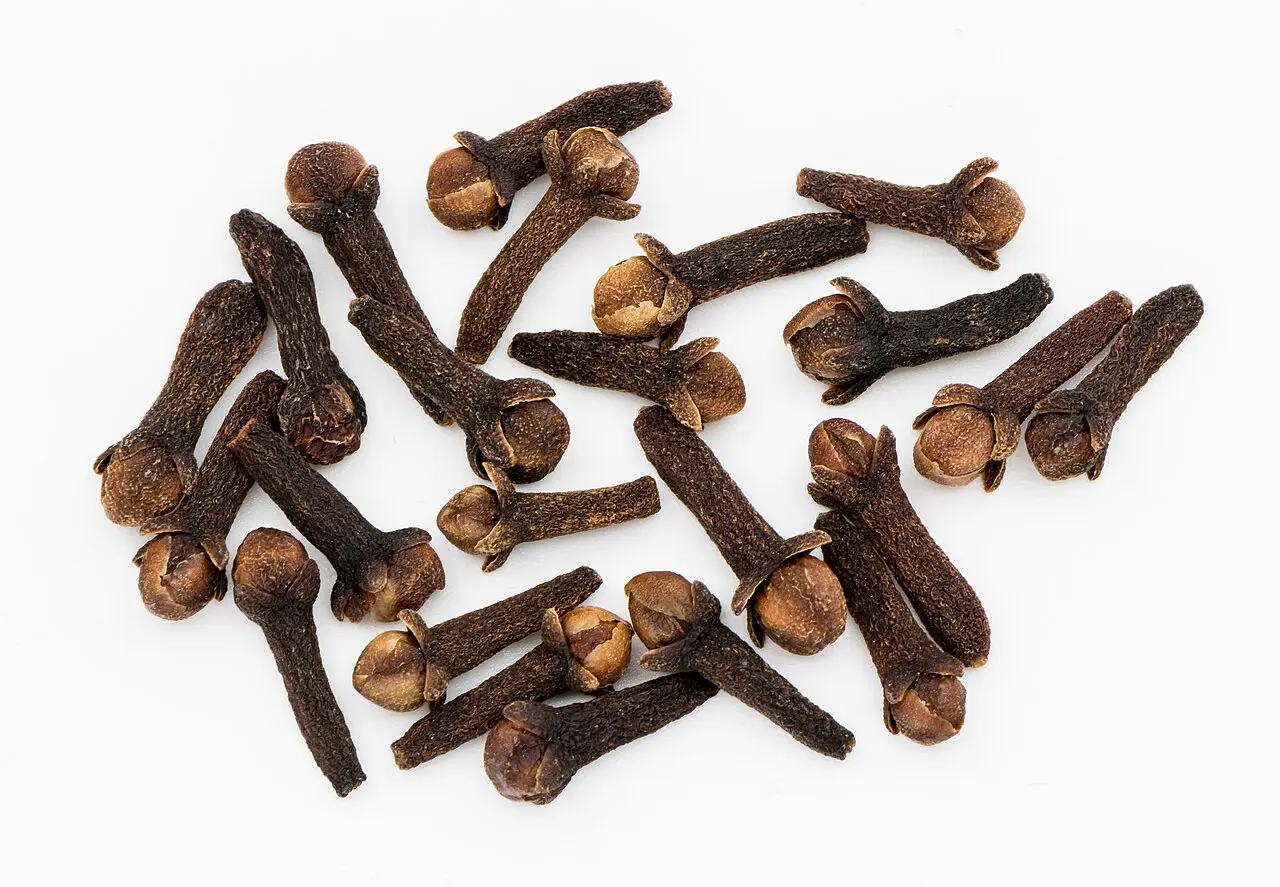
SpiceClove
लौंग (Laung)
 Spice
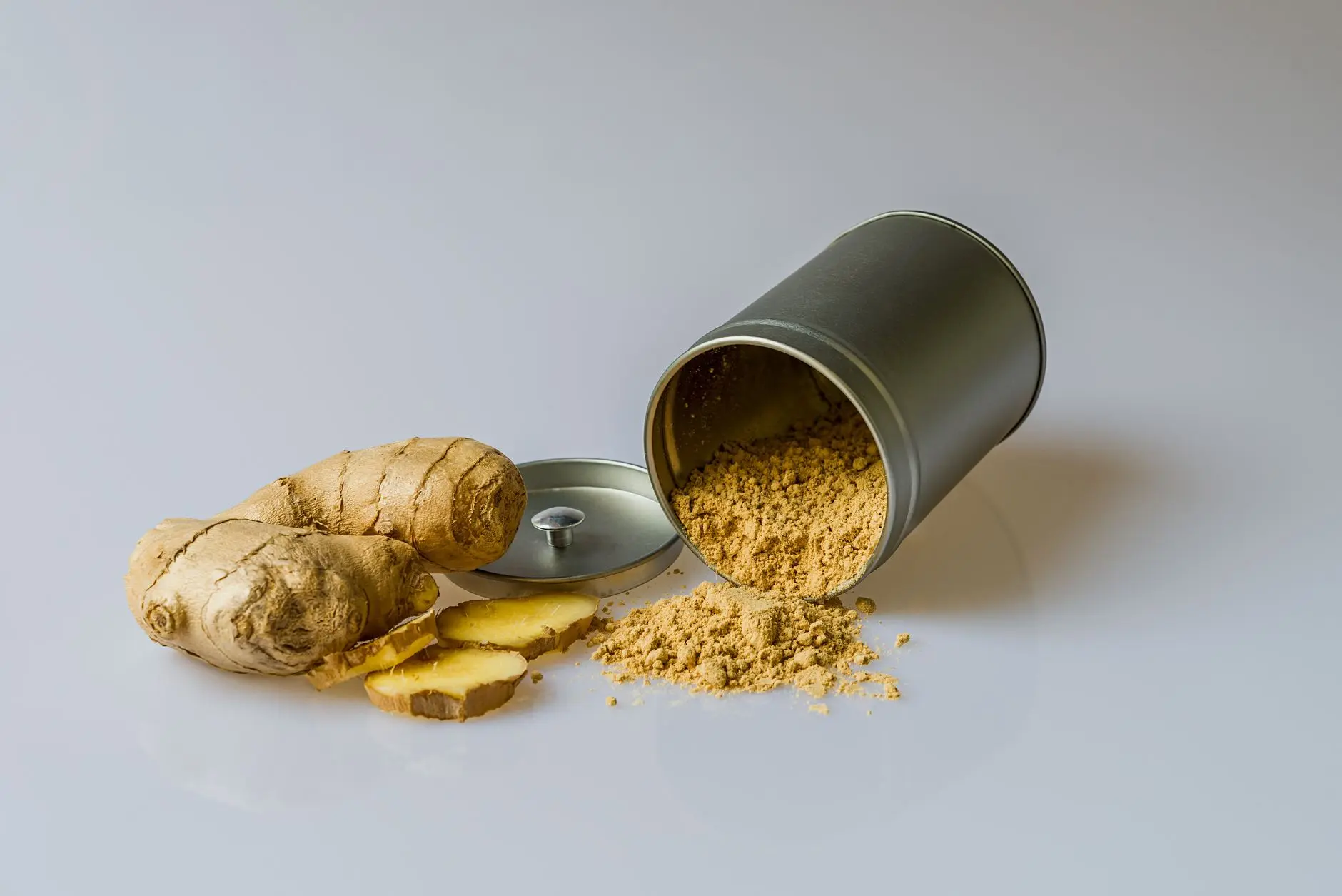
SpiceDry ginger powder
सोंठ (Saunth)
 Spice
SpiceAsafoetida
हींग (Hing)
 Spice
SpiceBlack cardamom
बड़ी इलायची (Badi elaichi)
 Spice
SpiceCinnamon
दालचीनी (Dalchini)