
What it is
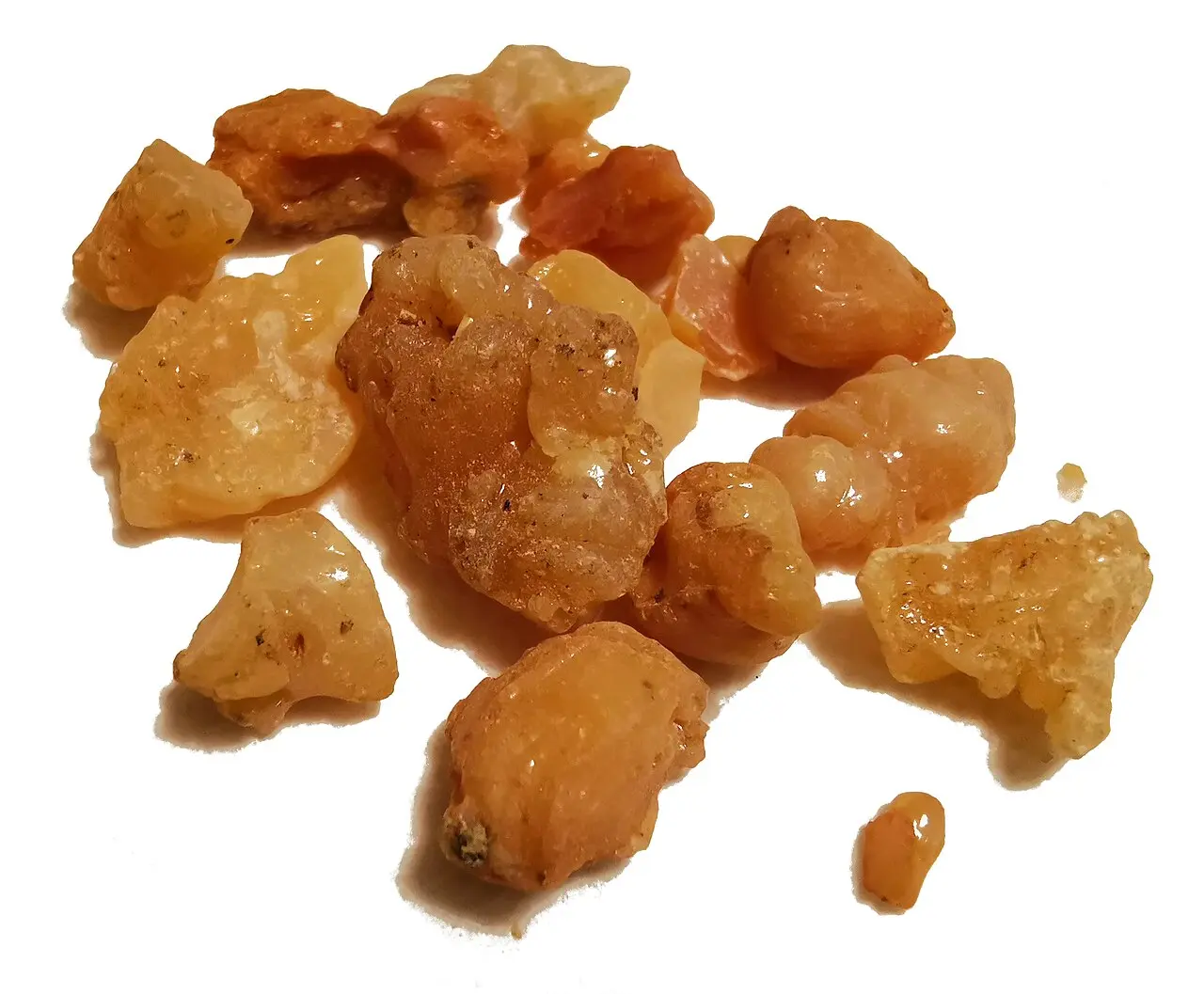
Asafoetida, or hing, is the dried oleo-gum resin harvested from the rhizomes and living taproots of perennial Ferula species in the Apiaceae family.
You’ll find it as pure, solid rock-like lumps or teardrop-shaped tears, and as compounded powder made by blending the raw resin with edible starches and gum arabic for ready use.
Flavour and aroma
Raw hing is pungent and sharp, with a strong sulfur smell. Briefly sizzling it in warm oil or ghee softens the bite and brings out a rich, savory, onion-and-garlic-like aroma. That quick transformation is why it belongs in the tadka.
Cooking with it
When to add it
Add hing to hot oil or ghee at the start of tadka. Let it sizzle briefly before you add the other spices so the raw smell goes and the aroma blooms.
It is fundamental to tempering South Indian sambar and rasam, and gives body and allium notes in onion- and garlic-free Jain cookery.
On labels you may see Perungayam (Tamil), Inguva (Telugu), Kayam (Malayalam), Ingu (Kannada), or Yang (Kashmiri). If you’re out of hing, use a small pinch of garlic powder to mimic the cooked allium notes.
Substitutes
- Garlic powderuse a small pinch to replicate cooked allium notes
Origin and where it grows
The resin-bearing Ferula species are indigenous to the arid mountain deserts spanning Iran, Afghanistan, and Central Asia. These hardy perennials yield the taproot resin that becomes hing.
Notable varieties
- Hathras HingGI tagged
Uttar Pradesh
Buying and storing
How to pick good quality
Raw lump asafoetida has vastly higher potency and longevity than commercial powdered hing, which is diluted with starches. Among compounded styles, Hathras Hing from Uttar Pradesh is a renowned preparation registered with a Geographical Indication tag.
Simple adulteration check
According to the FSSAI DART manual, pure asafoetida shaken with water forms a cloudy, milky-white solution, while adulteration with soapstone, chalk, or clay causes heavy sediment to settle quickly at the bottom.
According to FSSAI household testing guidance, pure resin burns cleanly with a bright flame similar to camphor when held over a flame.
Storage
Store hing in an airtight, non-porous glass container in a cool, dry place. This prevents moisture absorption and keeps its aroma from penetrating nearby pantry goods.
Nutrition
Raw dried asafoetida consists of approximately 40 to 64 percent resin, 25 percent water-soluble gums, and 10 to 17 percent essential volatile oils.
Frequently asked questions
When should I add hing to the pan?
Add it to hot oil or ghee at the start of tadka; cooking it there removes the raw smell and releases its aroma.
How do I check if my hing is adulterated at home?
Shake a little with water: pure hing turns the water cloudy and milky-white, while soapstone, chalk, or clay settle quickly at the bottom. Pure resin also burns cleanly with a bright flame similar to camphor.
What is the difference between raw lump hing and compounded powder?
Raw lump hing has much higher potency and longevity. Compounded powder is the resin blended with edible starches and gum arabic into a ready-to-use ground powder.
What can I use instead of hing?
Use a small pinch of garlic powder to mimic the cooked allium notes.
Where does asafoetida come from?
The Ferula species that yield the resin are indigenous to the arid mountain deserts spanning Iran, Afghanistan, and Central Asia.
Related ingredients
 Spice
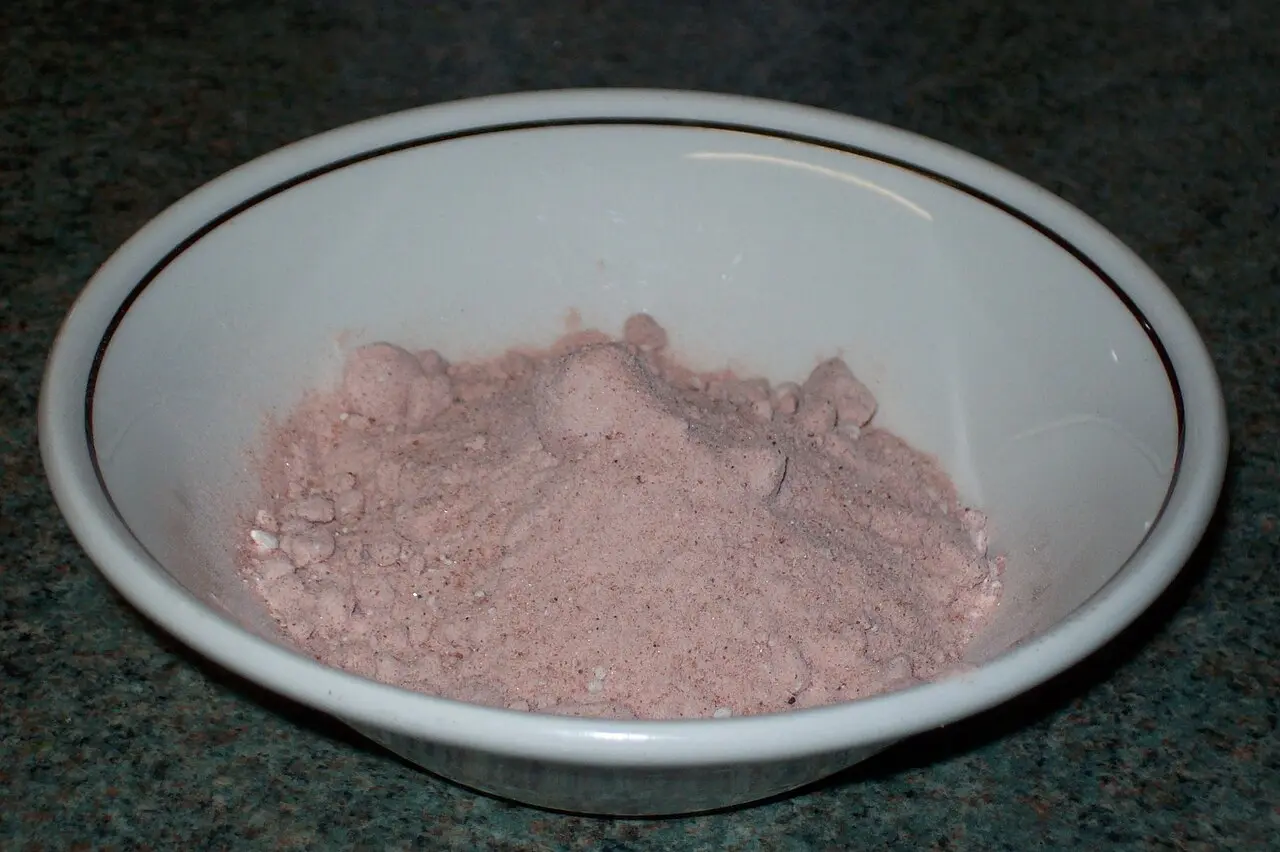
SpiceBlack salt
काला नमक (Kala namak)
 Spice
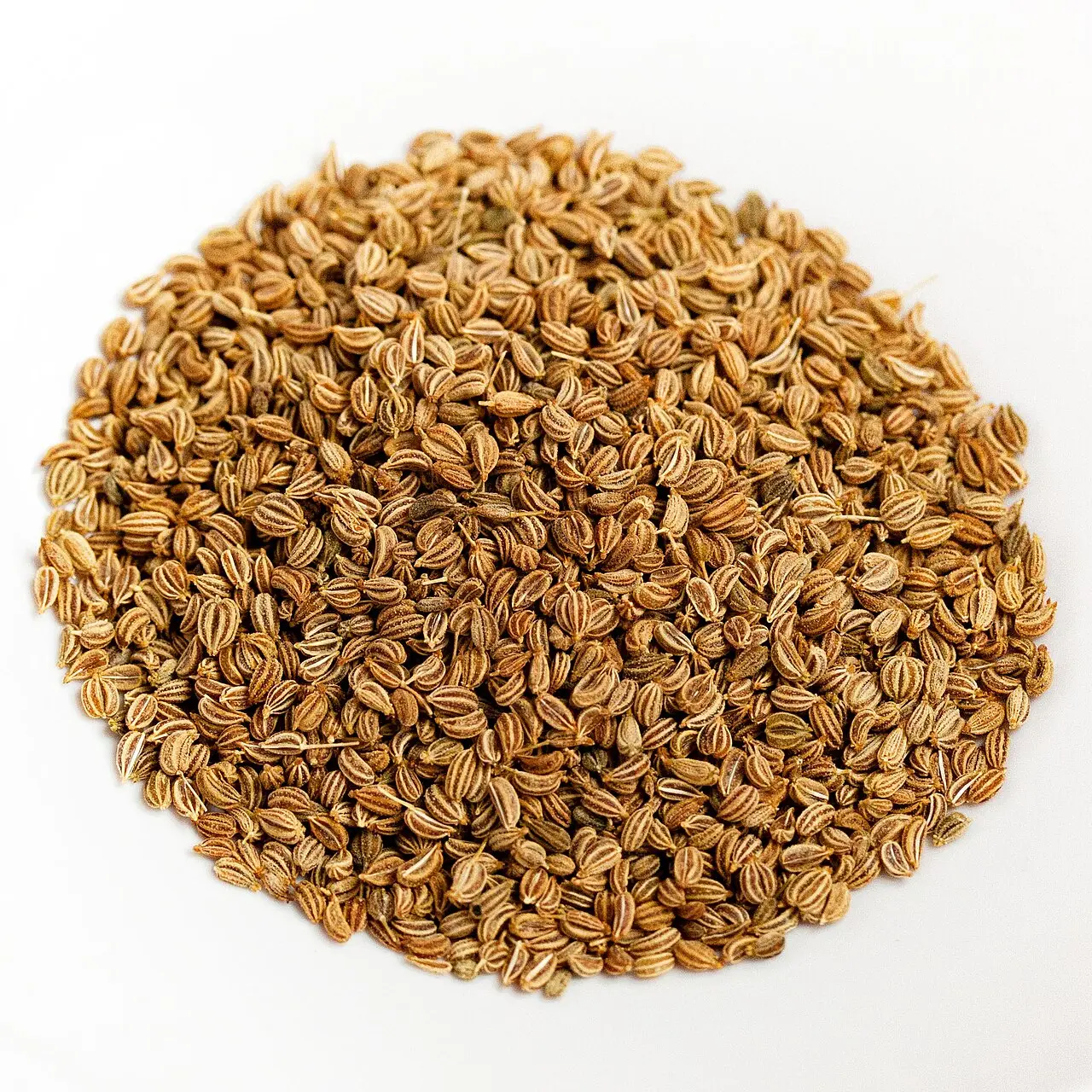
SpiceCarom seeds
अजवाइन (Ajwain)
 Spice
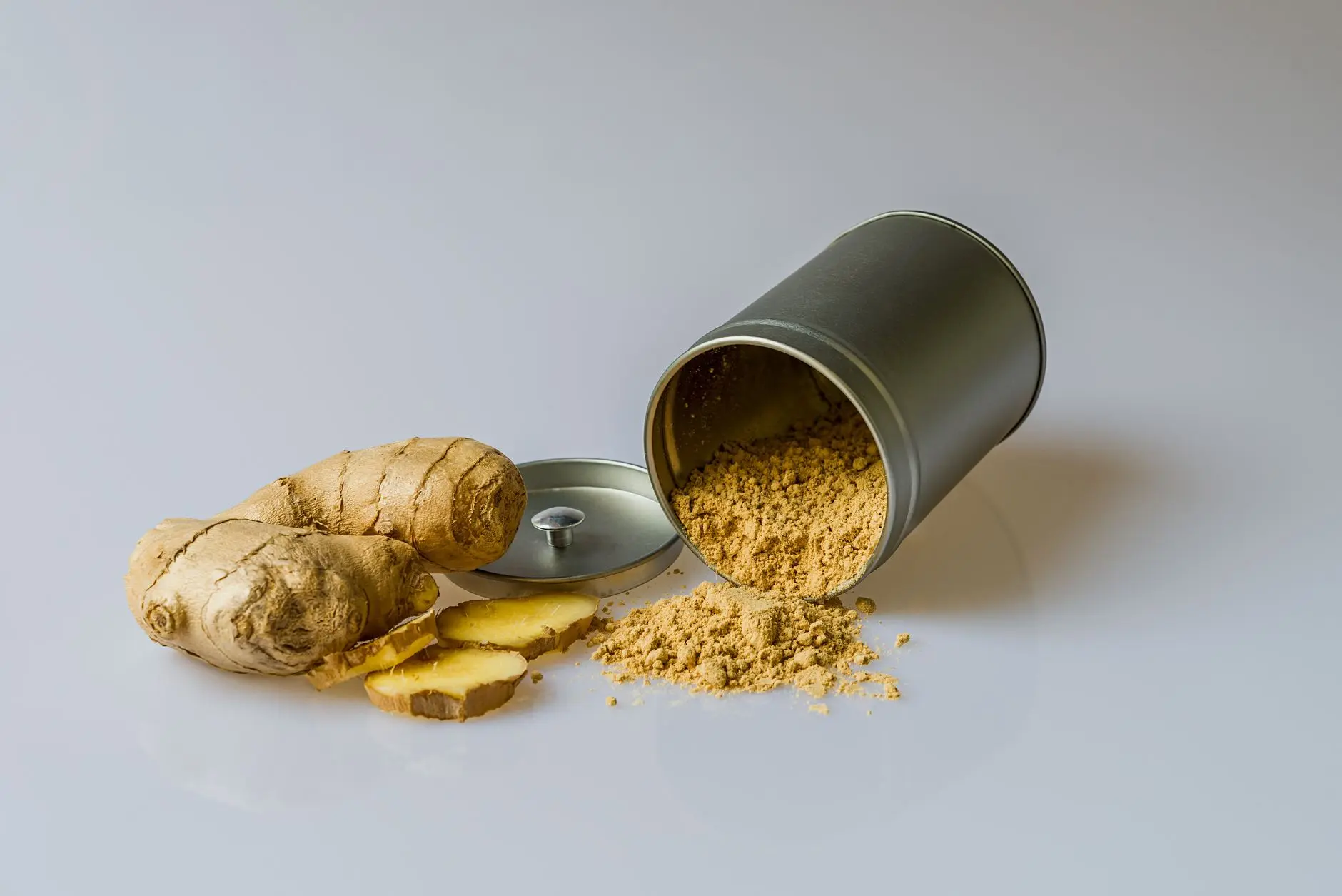
SpiceDry ginger powder
सोंठ (Saunth)
 Spice
SpiceMustard seeds
राई (Rai)
 Spice
SpiceBlack cardamom
बड़ी इलायची (Badi elaichi)
 Spice
SpiceBlack pepper
काली मिर्च (Kali mirch)