
What it is
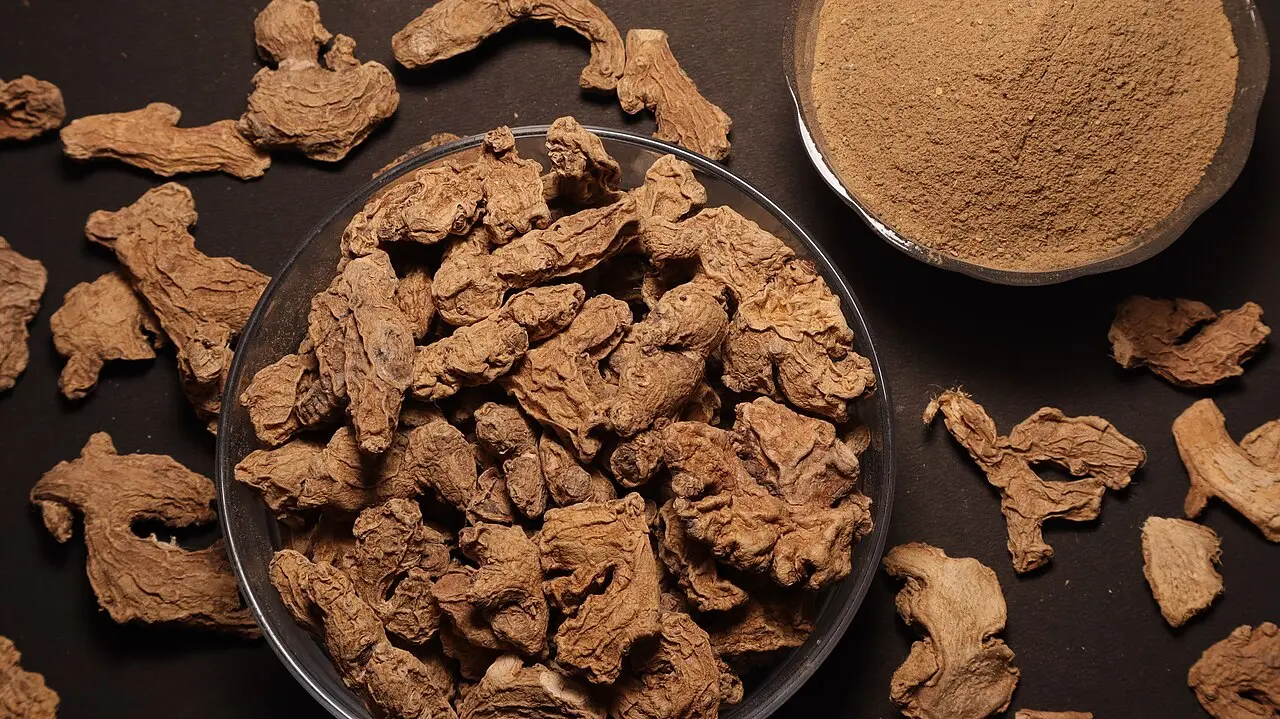
Dry ginger powder is produced by peeling, sun-drying, and pulverizing the mature underground rhizomes of Zingiber officinale. It’s a pantry spice with concentrated heat that disperses quickly in food and drinks.
In Hindi it’s called saunth or sonth. You’ll also hear Tamil sukku, Malayalam chukku, Telugu sonti, Marathi sunth, and Kannada ona shunti. It’s sold as a fine powder, and also as hard, dehydrated whole rhizomes you can pound or grate.
Flavour and aroma
Dry ginger delivers an intense, lingering warmth with pronounced pungency. Compared to fresh ginger, it has a deeper, woodier aroma and a concentrated peppery bite without the fresh citrus top notes. It cuts cleanly through rich gravies and sweet confections.
Cooking with it
When to add it
How much to use
For Kashmiri cooking, saunth with fennel powder is essential for that rounded heat in Dum Aloo and Rogan Josh. Add it during cooking with your other powdered spices so the pungency softens as the curry or dal simmers.
Brew it into decoctions, spiced teas, and herbal tonics with jaggery and crushed peppercorns. It also mixes well into festive sweets and postpartum tonics such as gond ke laddu and panjiri.
Origin and where it grows
Dry ginger powder comes from ginger rhizomes grown across India. Madhya Pradesh, Karnataka, Assam, and Odisha produce substantial ginger, with Odisha also harvesting for traditional sun-drying. Karbi Anglong Ginger from Assam holds a GI tag for high oleoresin and aroma. Arunachal Pradesh Adi Kekir is an indigenous GI-tagged ginger from Himalayan terrain.
Grown in
Notable varieties
- Karbi Anglong GingerGI tagged
Assam
- Arunachal Pradesh Adi KekirGI tagged
Arunachal Pradesh
Buying and storing
How to pick good quality
Look for a pale cream to buff-yellow powder with a pungent, sinus-clearing aroma. Avoid lots that smell chalky or musty.
Simple adulteration check
Boil a small sample in water, cool it, then add tincture of iodine. A deep blue color shows added foreign starches.
Storage
Keep in an airtight glass or ceramic container, in a cool, dark cabinet away from cooking steam to prevent caking and fading aroma.
Shelf life: About 6 to 12 months when sealed
Nutrition
Ground ginger provides dietary fiber and trace minerals including iron, magnesium, potassium, and manganese.
Frequently asked questions
How is dry ginger powder (saunth) made?
It’s made by peeling, sun-drying, and then pulverizing mature ginger rhizomes (Zingiber officinale).
When should I add saunth to curry or dal?
Add it during cooking with the other powdered spices so its pungency mellows as the dish simmers.
How much dry ginger powder should I use?
For a curry serving four, use about 1/4 to 1/2 teaspoon because the heat is concentrated.
How can I check if my saunth has added starch?
Boil a little in water, cool it, and add tincture of iodine. A deep blue color indicates added foreign starches.
How does dry ginger taste compared to fresh ginger?
It’s warmer, sharper, and more pungent, with a deeper, woodier aroma and a concentrated peppery bite without fresh citrus top notes.
Related ingredients
 Spice
SpiceCarom seeds
अजवाइन (Ajwain)
 Spice
SpiceAsafoetida
हींग (Hing)
 Spice
SpiceBlack cardamom
बड़ी इलायची (Badi elaichi)
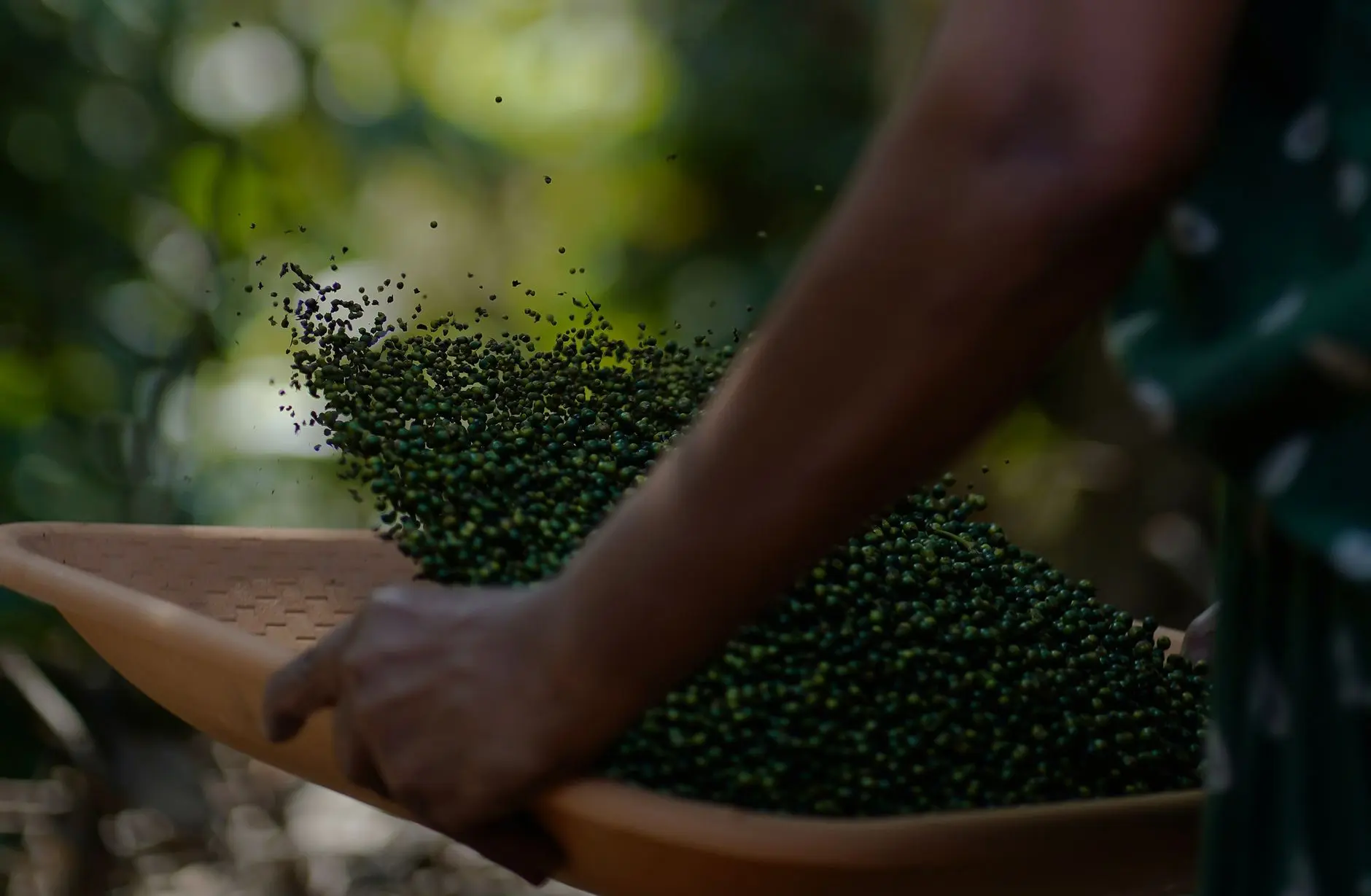 Spice
SpiceBlack pepper
काली मिर्च (Kali mirch)
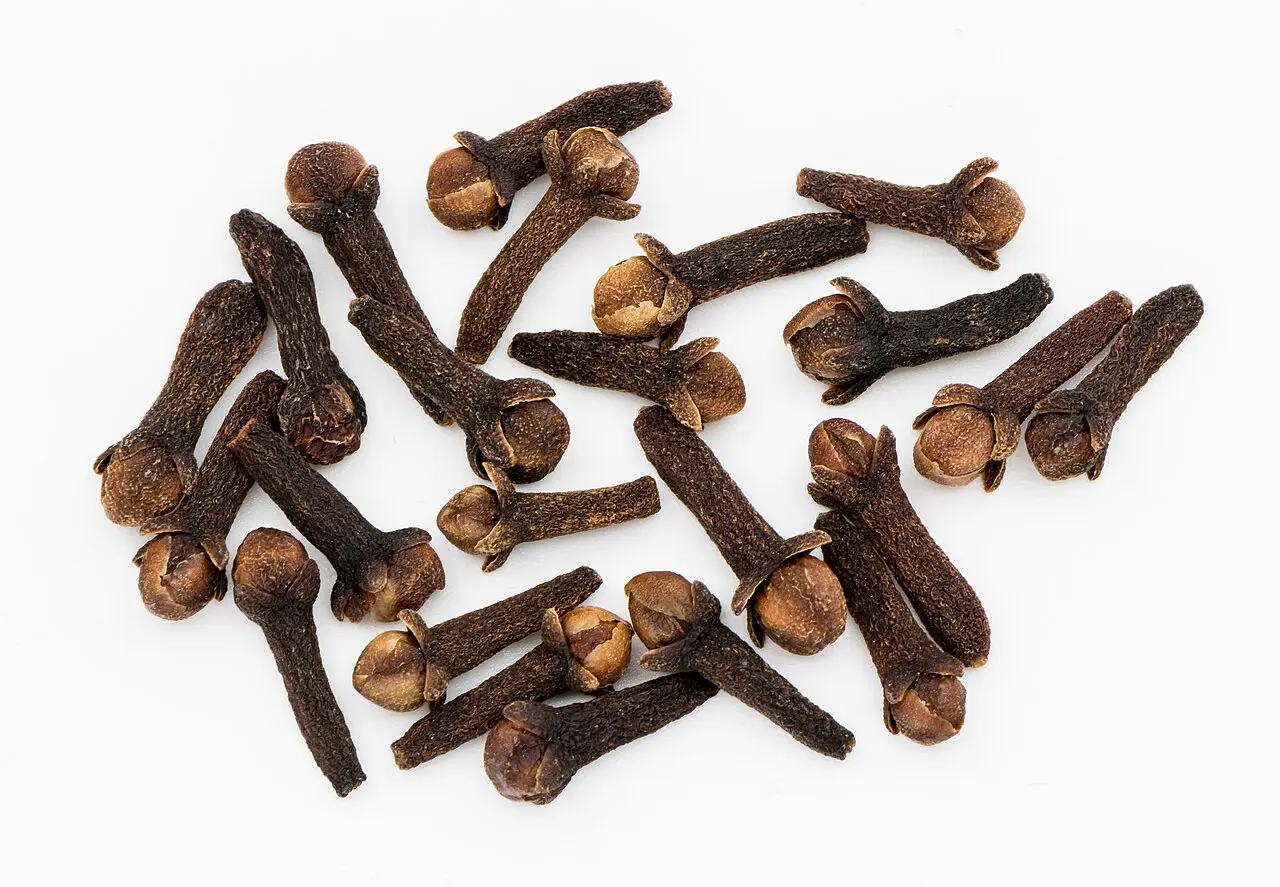 Spice
SpiceClove
लौंग (Laung)
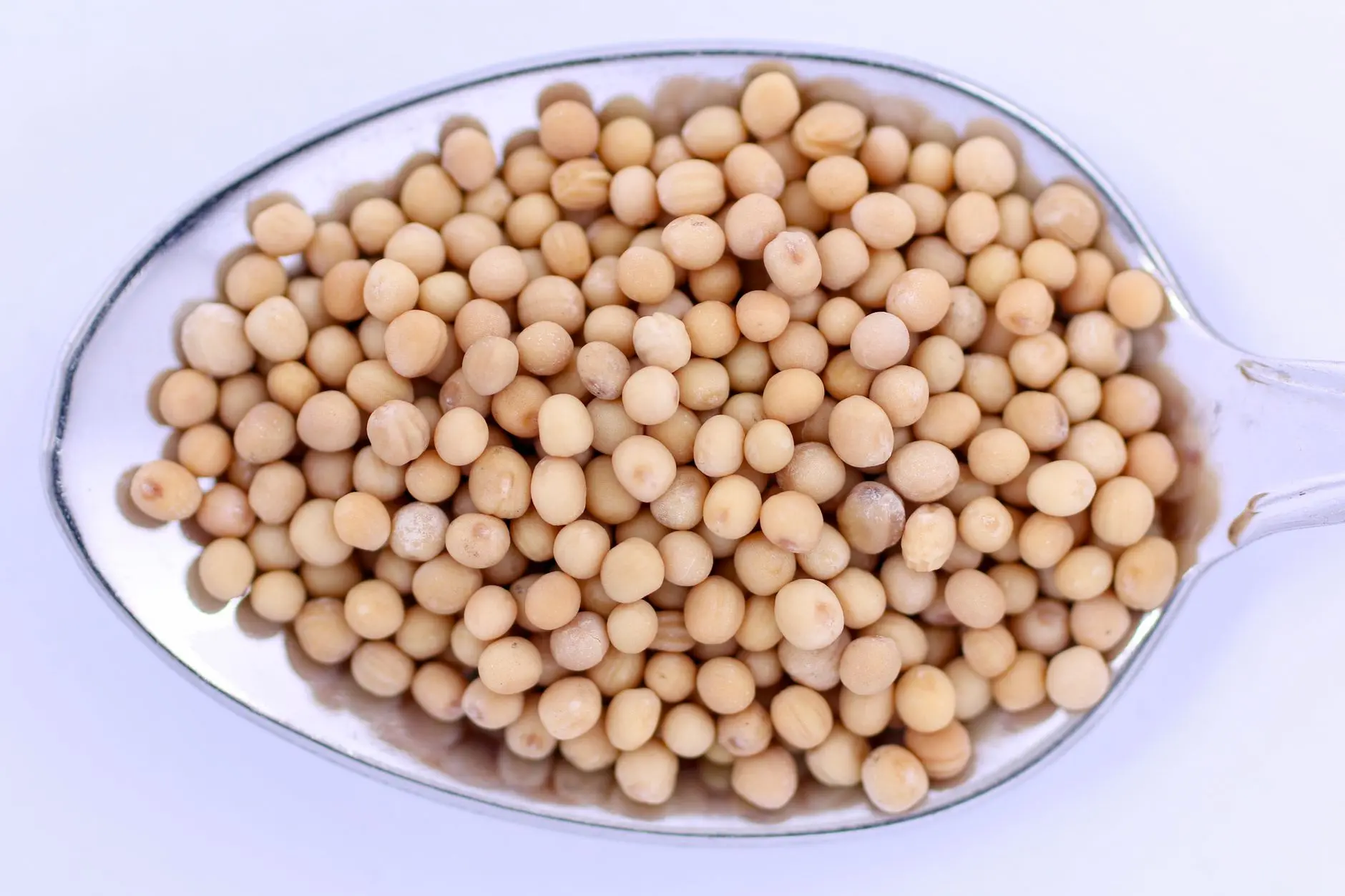 Spice
SpiceMustard seeds
राई (Rai)