
What it is
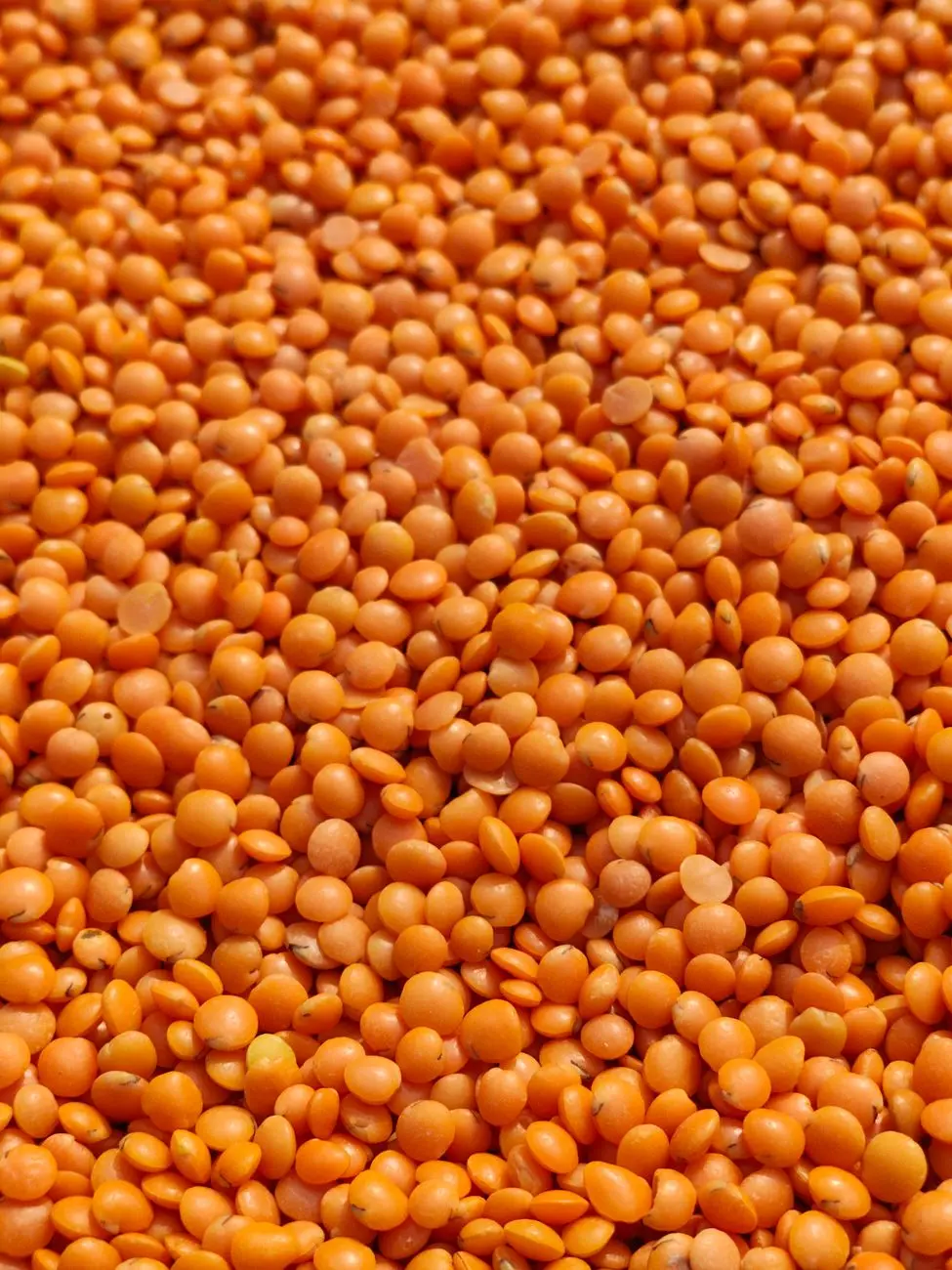
Masoor dal, or मसूर दाल, is the split, dehusked seed of the lentil plant (Lens culinaris) in the Fabaceae family.
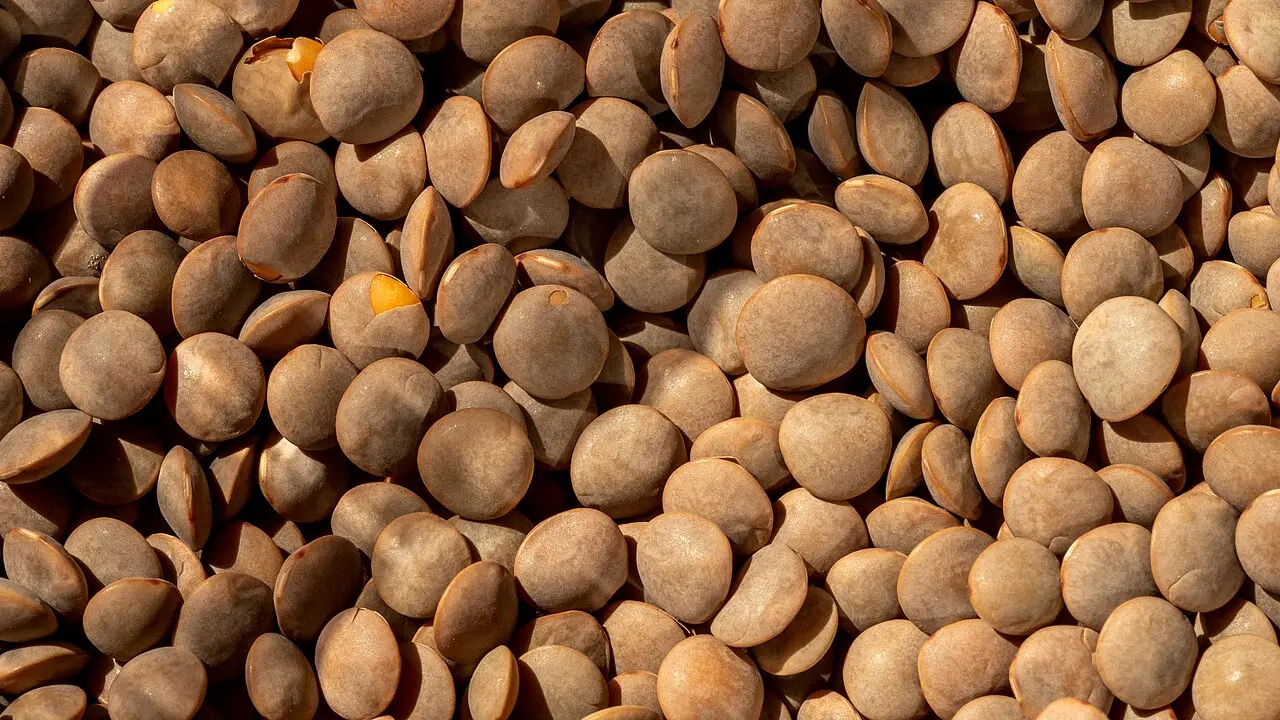
It is sold dried. You also find whole seeds with the coat intact, called sabut masoor, and these edible seeds are harvested from annual lentil pods.
Flavour and aroma
Cooked masoor dal tastes gentle and earthy with a mild, nutty aroma and a subtle sweetness. It readily absorbs aromatics and tempering spices like garlic, cumin and dried chillies. Simmering brings out more of its nutty notes.
Cooking with it
When to add it
For quick everyday dal tadka across North and East Indian households, split masoor breaks down rapidly without prior soaking. Add it at the start and simmer till tender and creamy, then finish with your tadka.
In Bengali cooking, Musurir dal is tempered with nigella seeds and green chillies. There is also Tok Dal cooked with raw green mangoes for a sour edge.
Substitutes
- Split yellow moong dalcooks in roughly the same quick timeframe and provides a comparable soft texture
Origin and where it grows
Lentils are among the oldest domesticated pulse crops from the Fertile Crescent. Archaeological evidence shows their cultivation in the Indian subcontinent dating back to the Indus Valley Civilization.
Grown in
Buying and storing
How to pick good quality
Choose whole or split lentils of uniform size, bright natural color and a dry texture, free from foreign matter, webbing or insect damage.
Simple adulteration check
FSSAI’s DART manual notes that artificial dye such as Metanil Yellow can be checked by adding water and hydrochloric acid to a small sample; it turns magenta or pink if adulterated. FSSAI also recommends visually checking for Kesari dal contamination, identified by its wedge-like, slanted shape.
Storage
Store dried masoor dal in an airtight glass or food-grade container in a cool, dark, and moisture-free place.
Shelf life: Up to 12 months when kept airtight away from heat and humidity.
Nutrition
Masoor dal is an abundant source of plant protein, dietary fiber, iron, potassium and folate.
Frequently asked questions
Do I need to soak masoor dal?
No. Split masoor dal breaks down rapidly without prior soaking, so you can simmer it directly until tender and creamy.
What does masoor dal taste like?
It is gentle and earthy with a lightly nutty taste and a subtle sweetness. It takes on aromatics and tadka like garlic, cumin and dried chillies easily.
How is masoor dal used in Bengali recipes?
Musurir dal is tempered with nigella seeds and green chillies, and Tok Dal is cooked with raw green mangoes for a sour note.
What can I substitute for masoor dal?
Use split yellow moong dal. It cooks in a similar quick timeframe and gives a comparable soft, creamy texture.
How can I check if my dal is adulterated?
FSSAI’s DART manual describes a dye test: adding water and hydrochloric acid to a small sample turns it magenta or pink if artificial dye is present. Also visually check for Kesari dal, which has a wedge-like, slanted shape.
Related ingredients
 Lentil and pulse
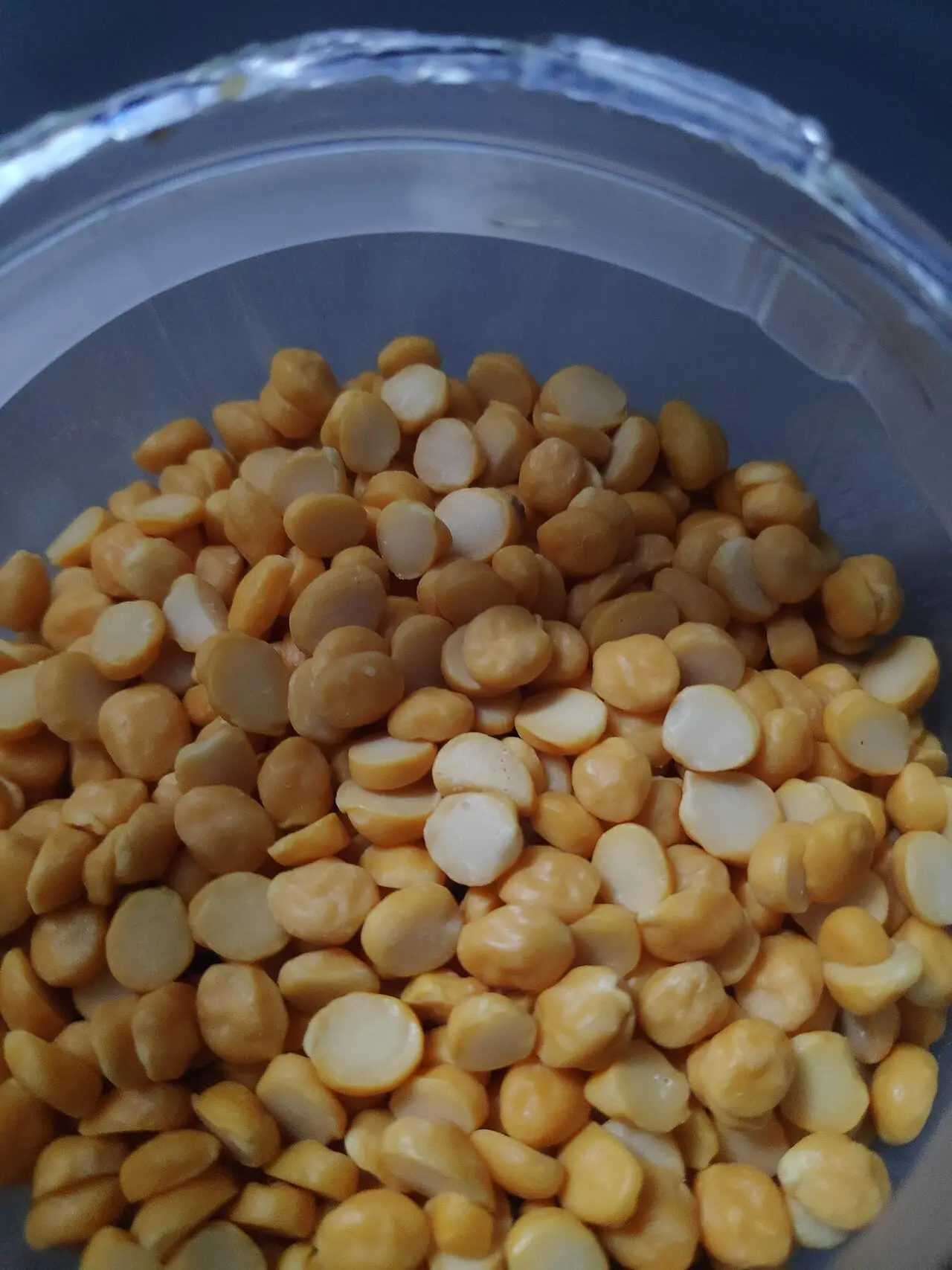
Chana dal
चना दाल (Chana dal)
 Lentil and pulse
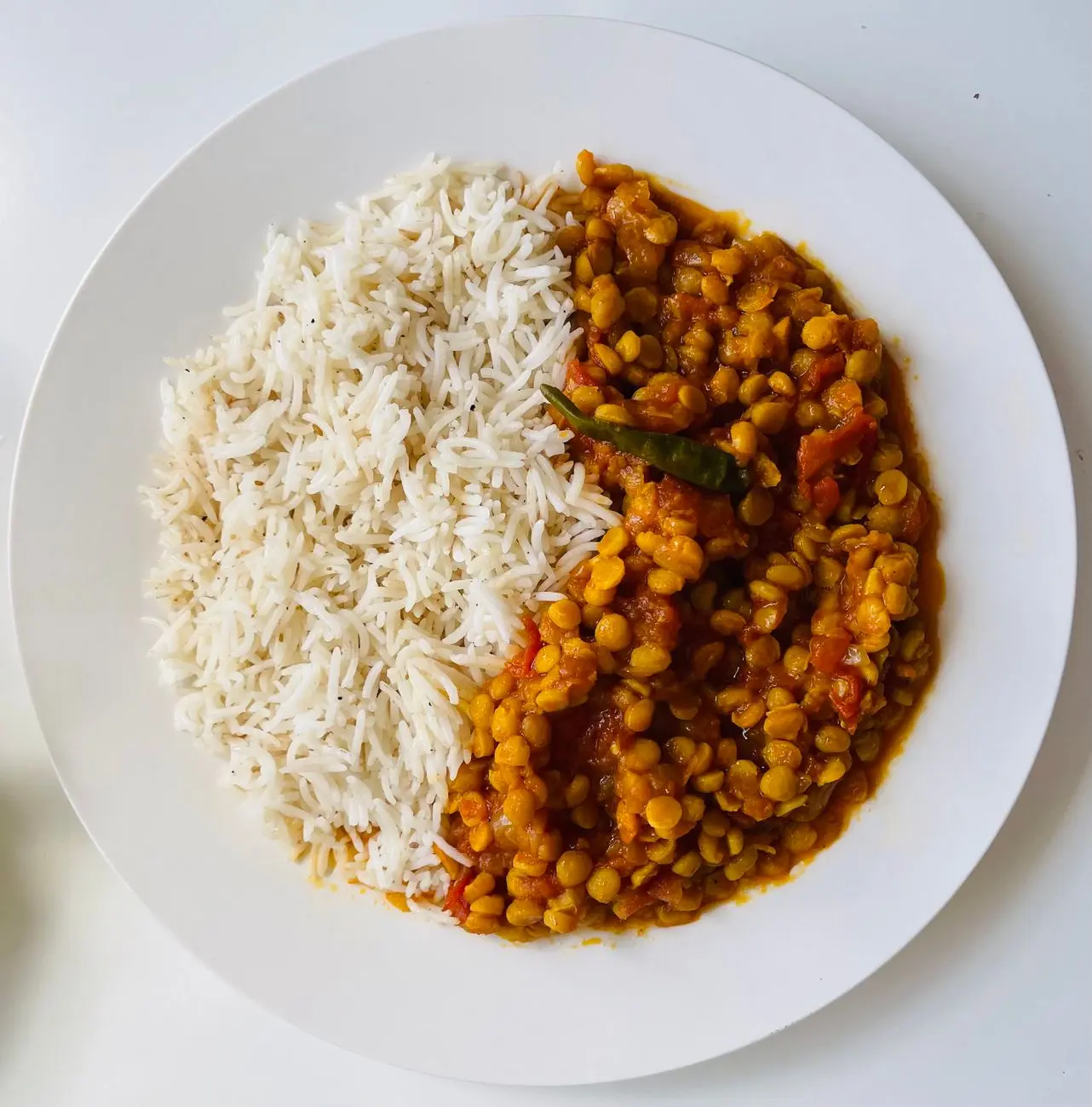
Toor dal
अरहर दाल (Arhar dal)
 Lentil and pulse
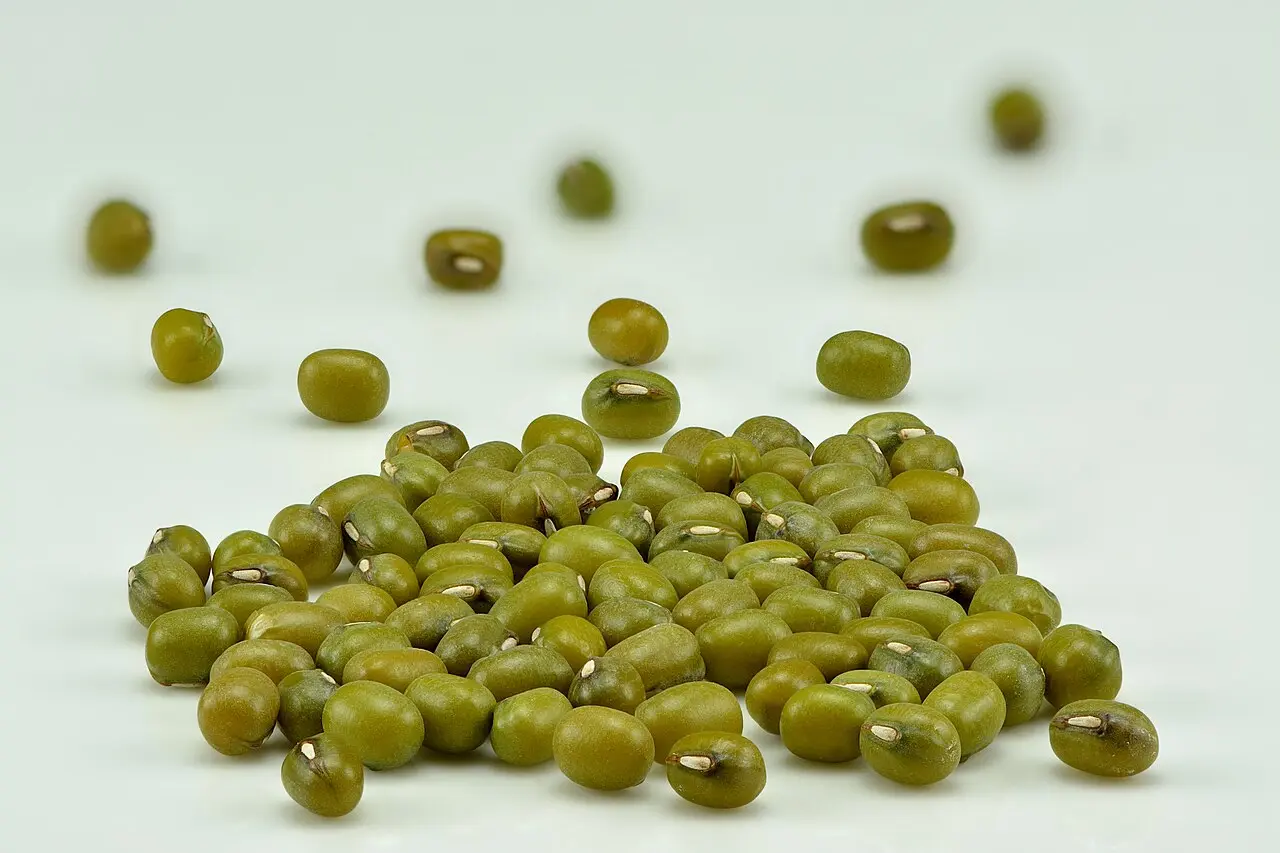
Moong dal
मूंग दाल (Moong dal)
 Spice blend
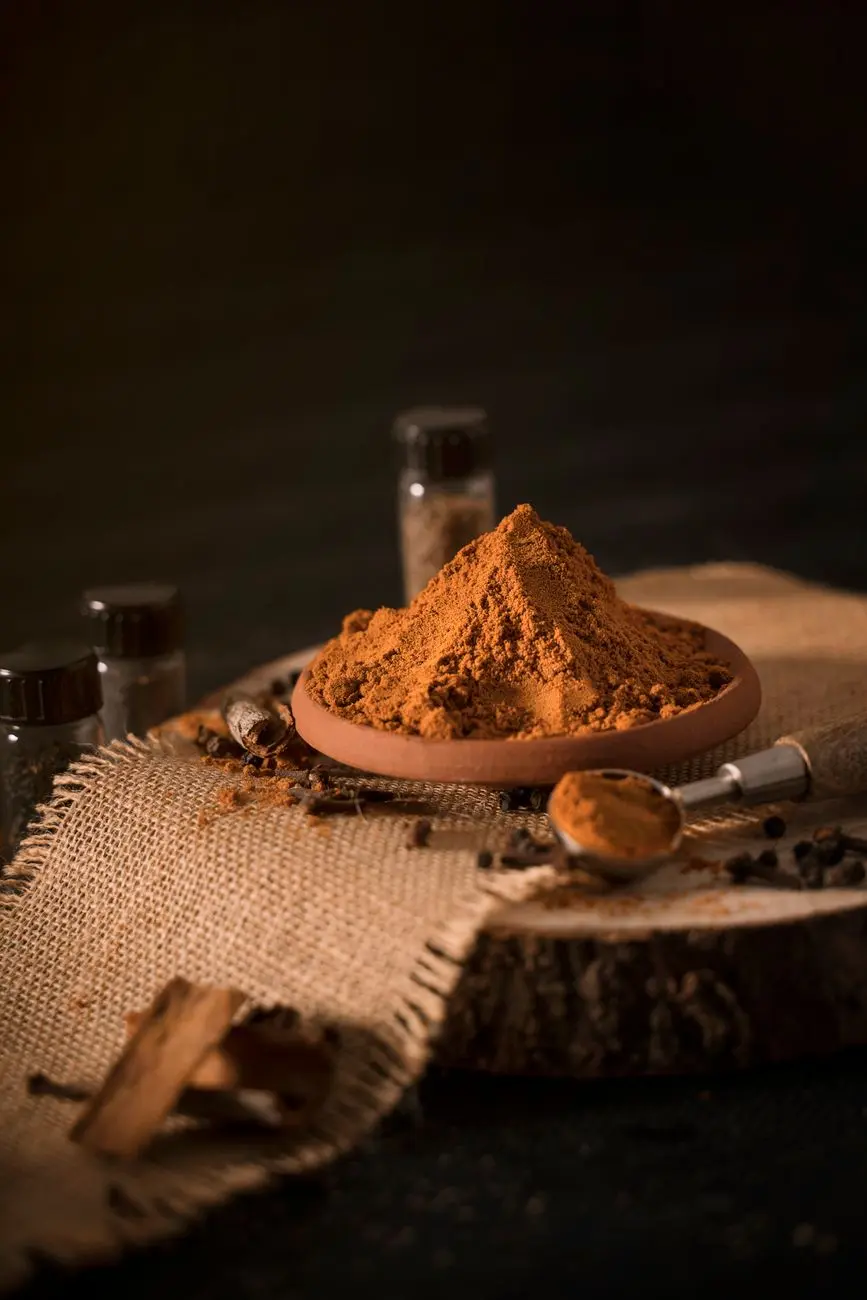
Goda masala
गोडा मसाला (Goda masala)
 Grain and rice
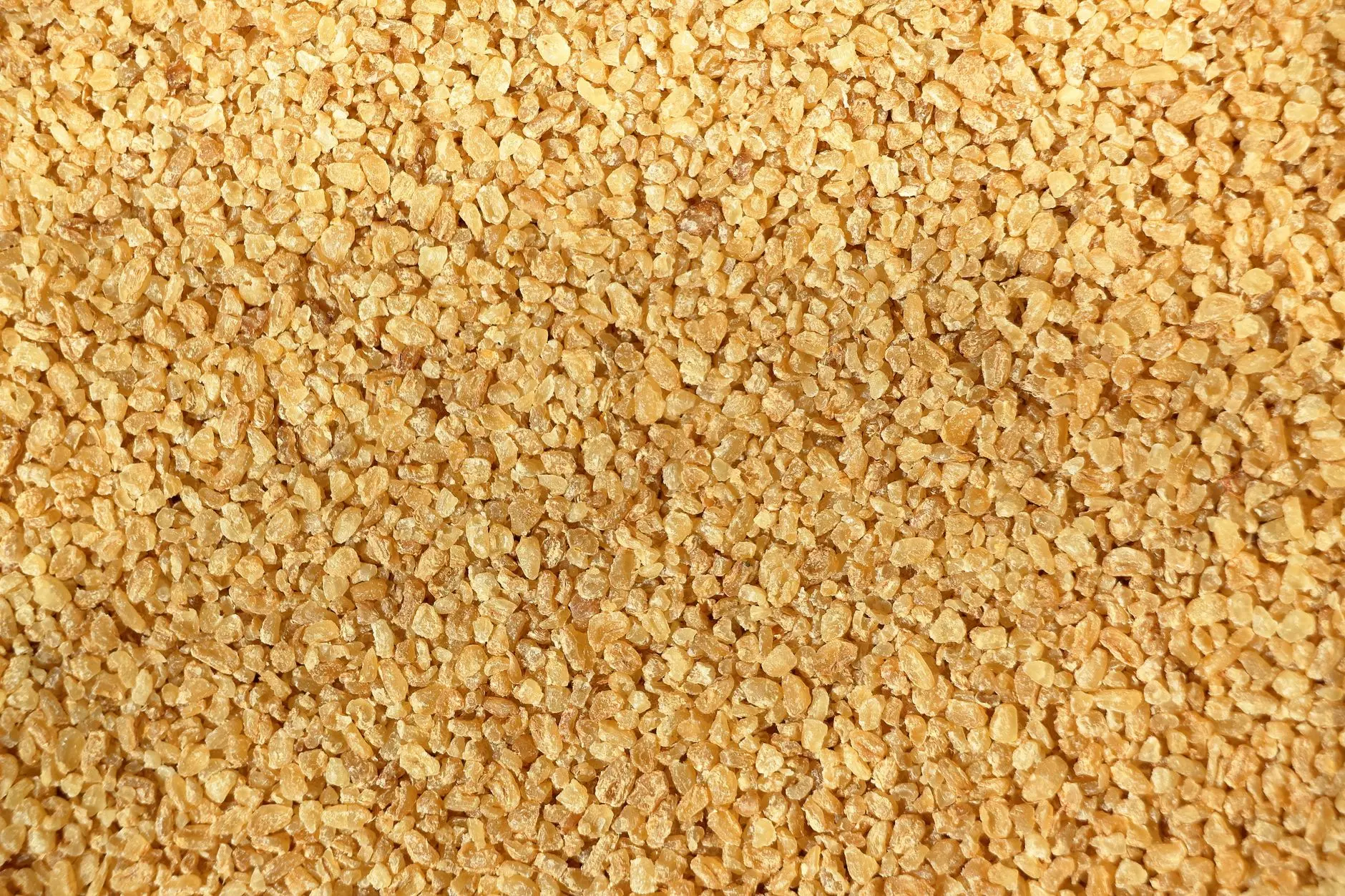
Broken wheat
दलिया (Daliya)
 Spice
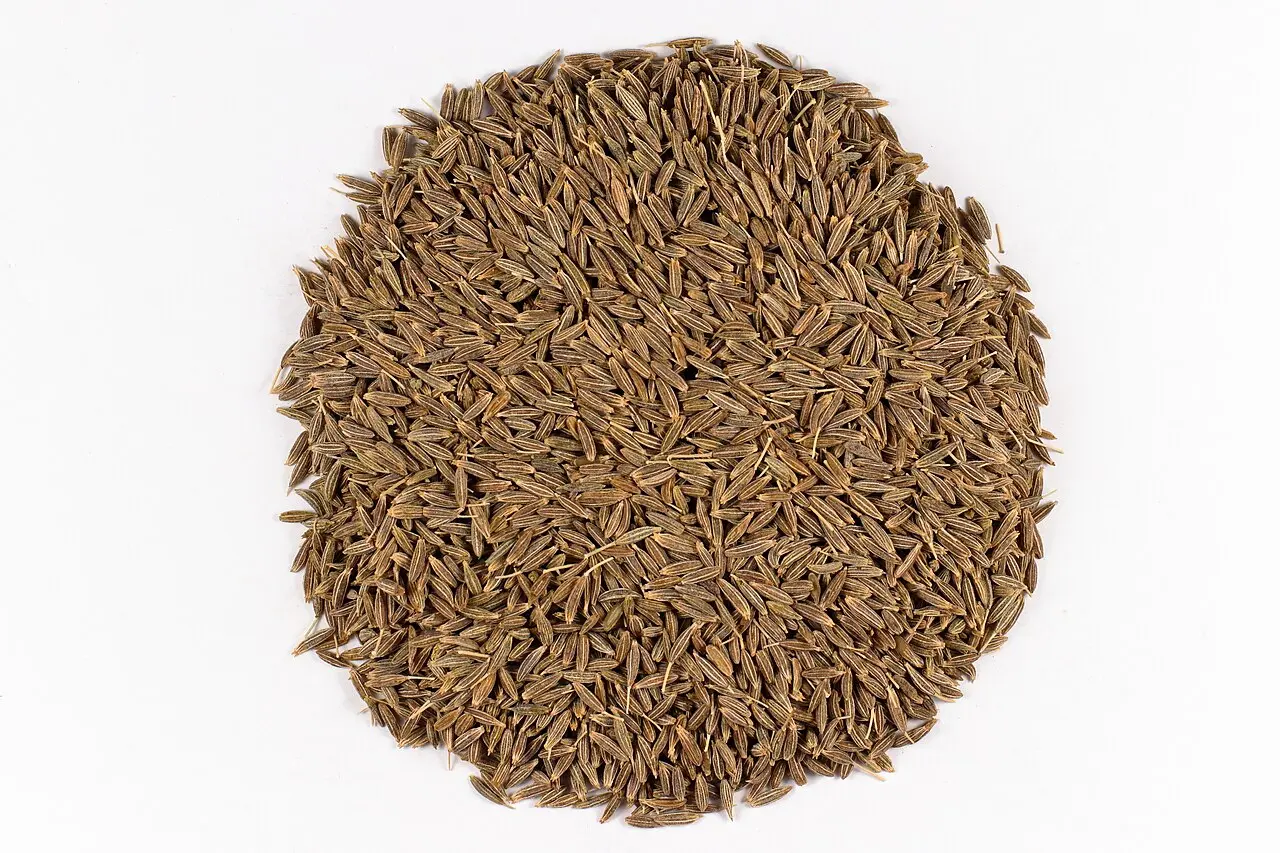
SpiceCumin seeds
जीरा (Jeera)