
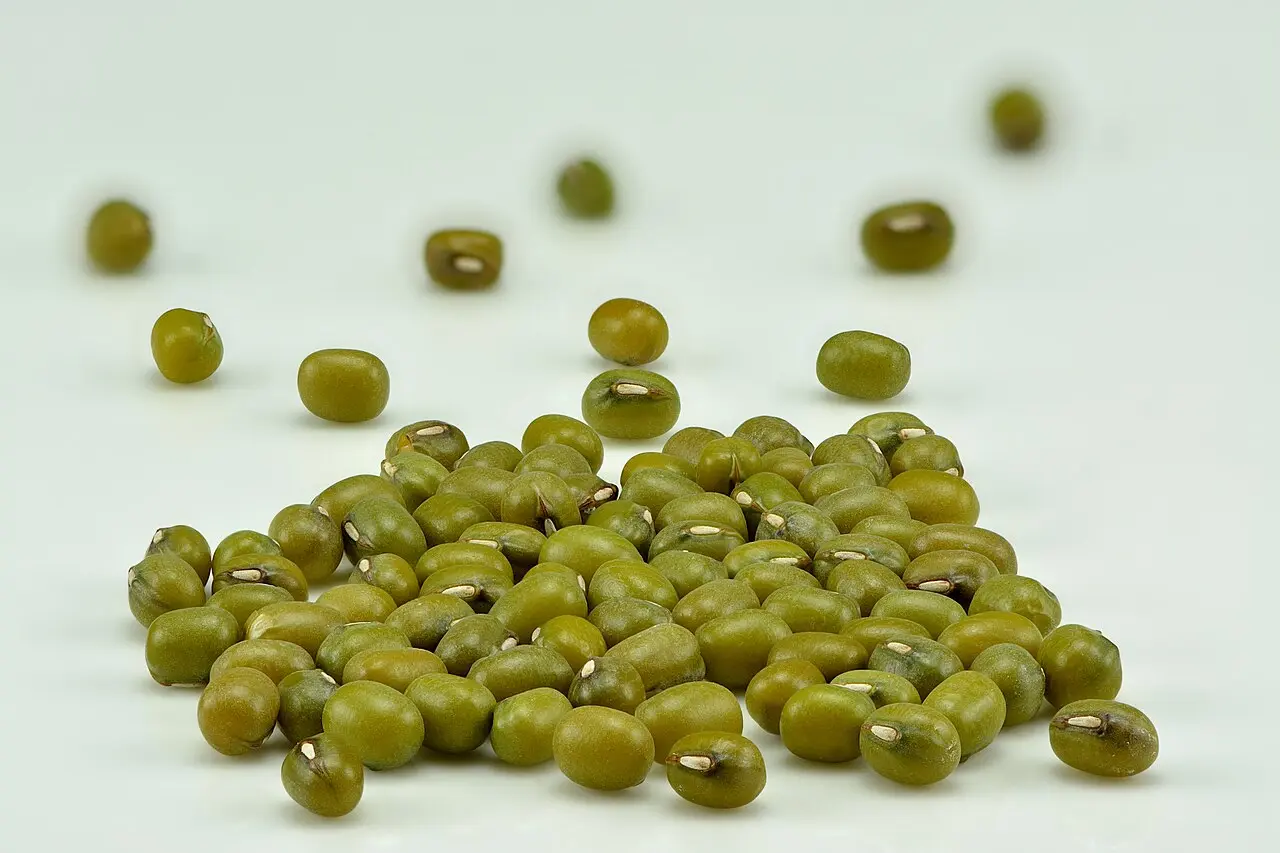
What it is
Moong dal is the split, dehulled seeds of the mung bean (Vigna radiata) in the legume family Fabaceae. It is primarily sold and cooked as a dried split dal.
The mung bean is native to the Indian subcontinent and has been cultivated since the ancient Indus Valley civilization. You’ll also find whole dried beans as sabut moong. Regional names include Tamil: Paasi Paruppu, Telugu: Pesara Pappu, Kannada: Hesaru Bele, Bengali: Mug Dal, and Marathi: Mugachi Dal.
Flavour and aroma
Moong dal tastes delicate and mildly nutty, and turns richer when roasted. Dry-roasting before boiling gives a fragrant, toasty aroma and helps the grains keep a light structure instead of turning mushy.
Cooking with it
When to add it
For everyday मूंग दाल, add it at the start of cooking and simmer or pressure-cook with water, turmeric and salt until tender. Dry-roast first if you want that toasty smell and a little bite. Pair it with rice for a homely khichdi.
Soak and grind moong dal into a batter for pan-fried pancakes like moong dal cheela and Andhra-style pesarattu, or for deep-fried savories.
For sweets, sauté a slow-cooked paste of moong dal in ghee, sweeten it, and flavor with cardamom to make moong dal halwa.
Substitutes
- Masoor dalsubstitute in equal quantity; cooks at a similarly rapid pace
Origin and where it grows
The mung bean is native to the Indian subcontinent and has been cultivated since the ancient Indus Valley civilization. In India, major producing states for moong include Rajasthan, Madhya Pradesh, Karnataka and Maharashtra.
Grown in
Buying and storing
How to pick good quality
Choose unpolished moong dal with uniform color and clean seed edges. Avoid dal with an oily sheen, powdery dust, or weevil bore holes.
Simple adulteration check
For Metanil Yellow, FSSAI DART suggests mixing the dal with water, then adding dilute hydrochloric acid; a persistent pink color indicates the synthetic dye.
Storage
Keep moong dal in a tightly sealed container in a cool, dry pantry away from sunlight and humidity.
Shelf life: Up to 12 months under dry, airtight storage.
Nutrition
Raw mature mung beans provide approximately 24 grams of protein and over 16 grams of dietary fiber per 100 grams, with minimal fat.
Frequently asked questions
How do I cook मूंग दाल for a simple dal?
Add it at the start with water, turmeric and salt, then simmer or pressure-cook until tender.
Should I dry-roast moong dal before boiling?
Dry-roasting before boiling develops a fragrant, toasty aroma and helps the grains keep a light structure instead of turning mushy.
What dishes can I make with moong dal?
Khichdi with rice, pan-fried pancakes like moong dal cheela and Andhra-style pesarattu, and sweets such as moong dal halwa.
How can I check for dye adulteration in moong dal at home?
Mix dal with water and add dilute hydrochloric acid; a persistent pink color indicates Metanil Yellow, as per FSSAI DART.
What is moong dal called in other Indian languages?
Tamil: Paasi Paruppu; Telugu: Pesara Pappu; Kannada: Hesaru Bele; Bengali: Mug Dal; Marathi: Mugachi Dal.
Related ingredients
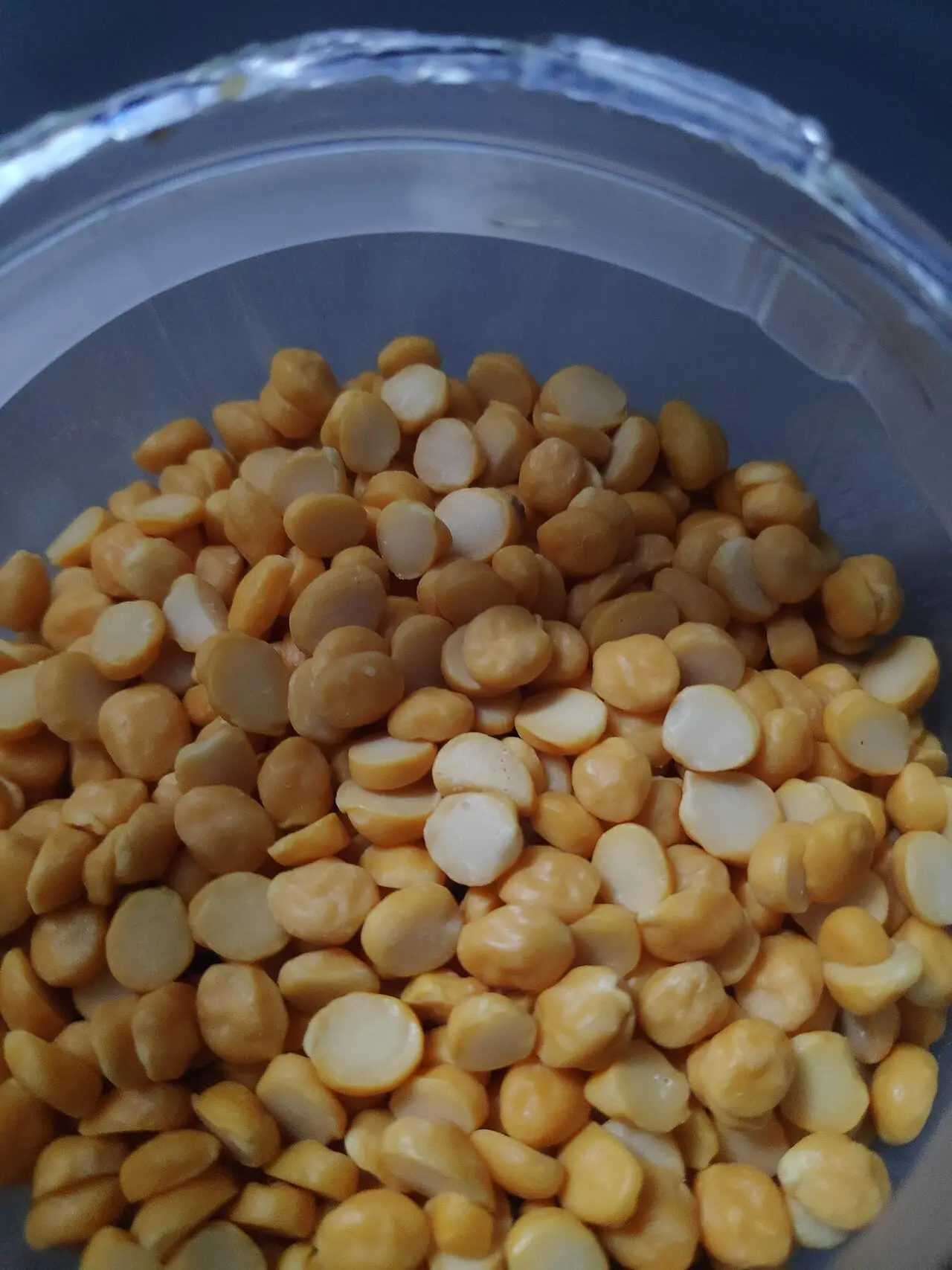 Lentil and pulse
Chana dal
चना दाल (Chana dal)
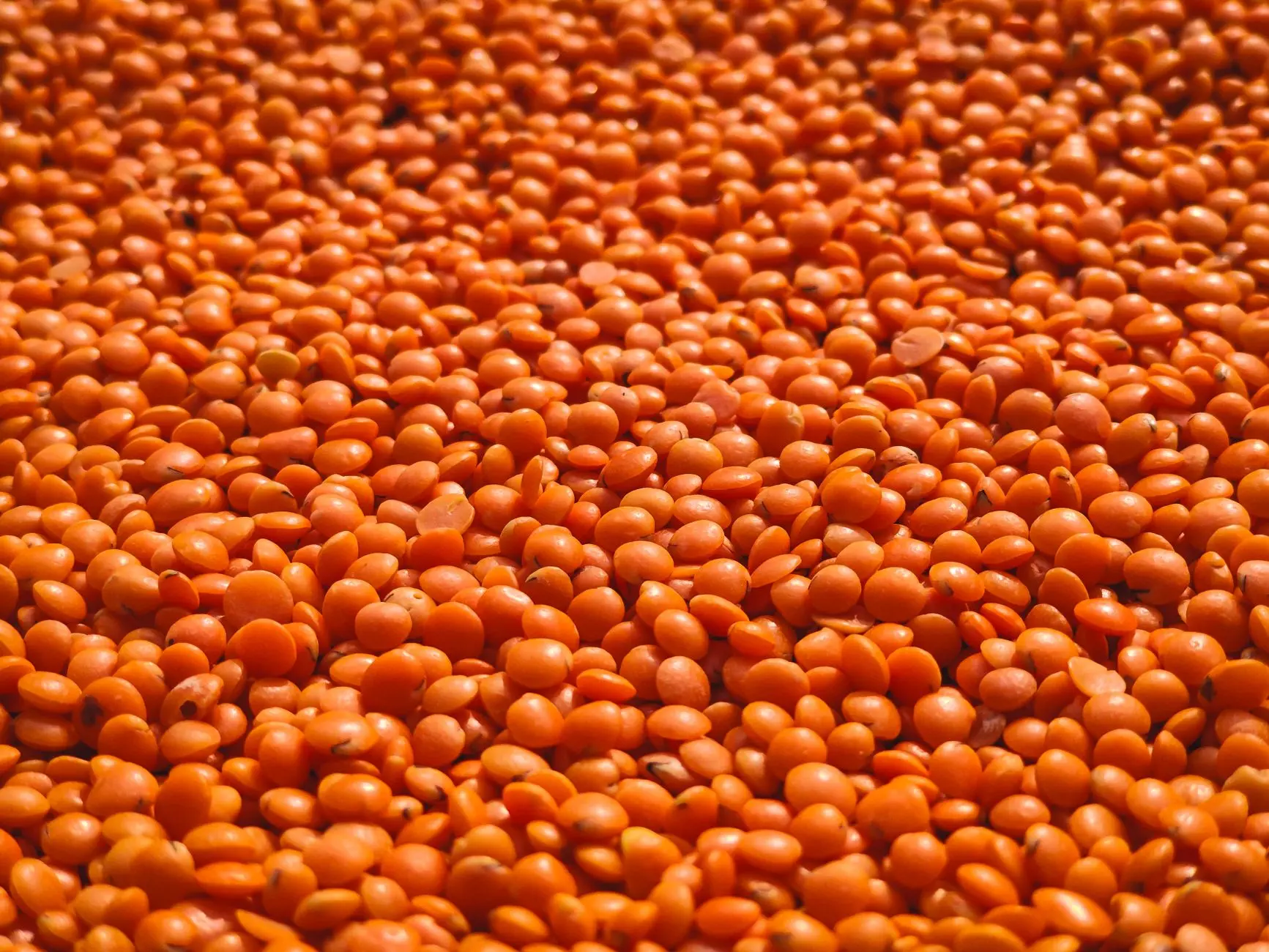 Lentil and pulse
Masoor dal
मसूर दाल (Masoor dal)
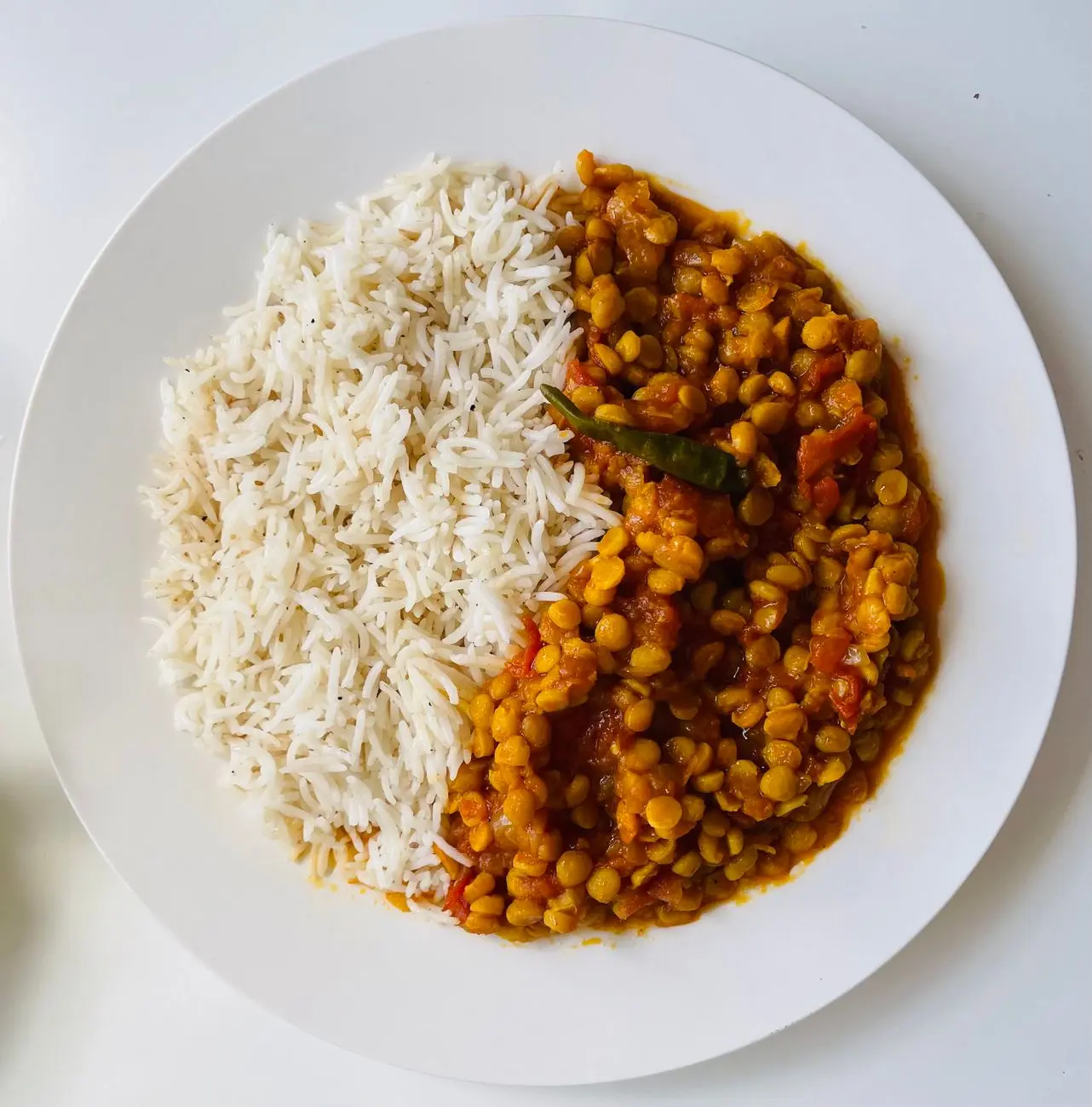 Lentil and pulse
Toor dal
अरहर दाल (Arhar dal)
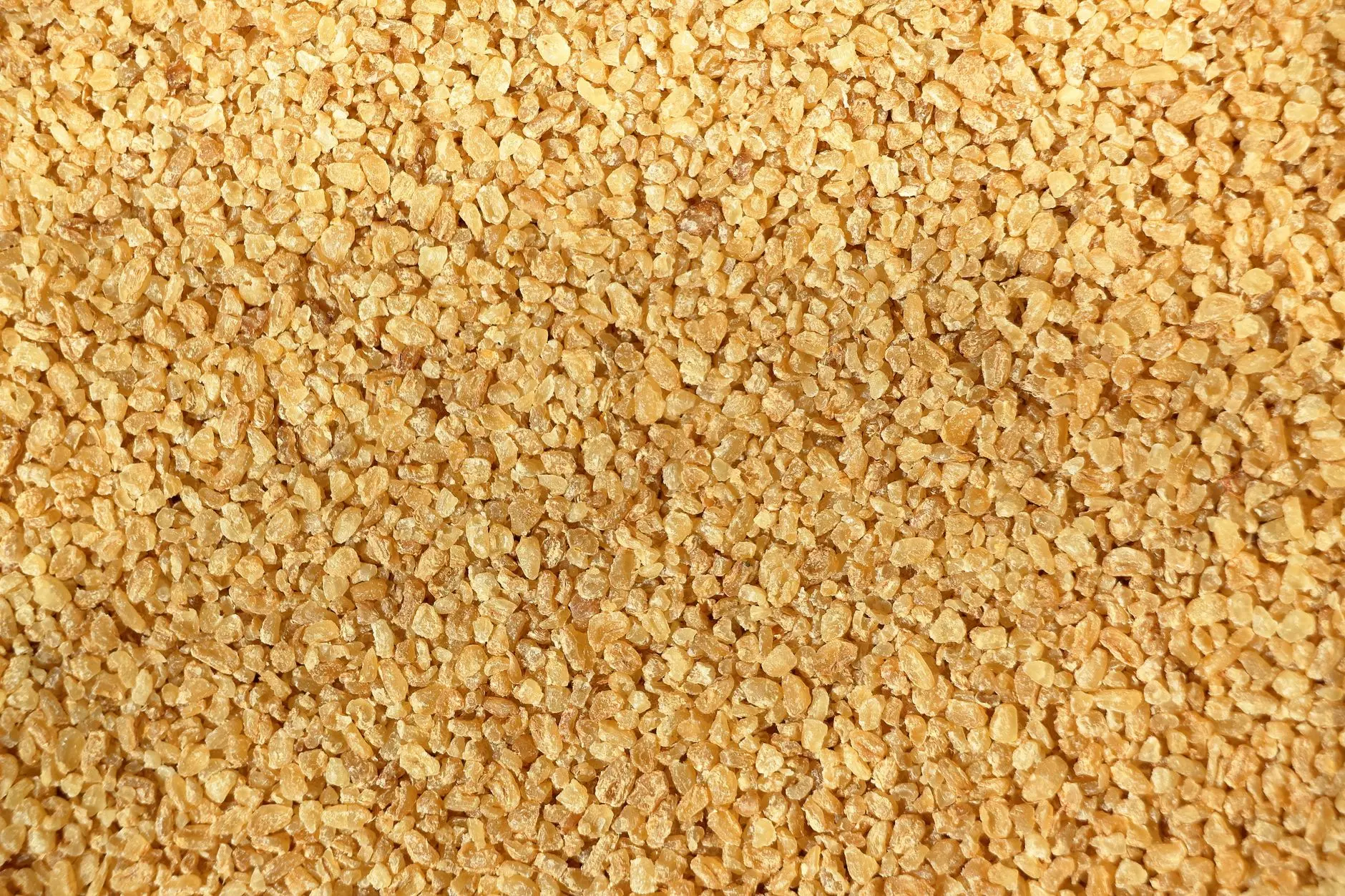 Grain and rice
Broken wheat
दलिया (Daliya)
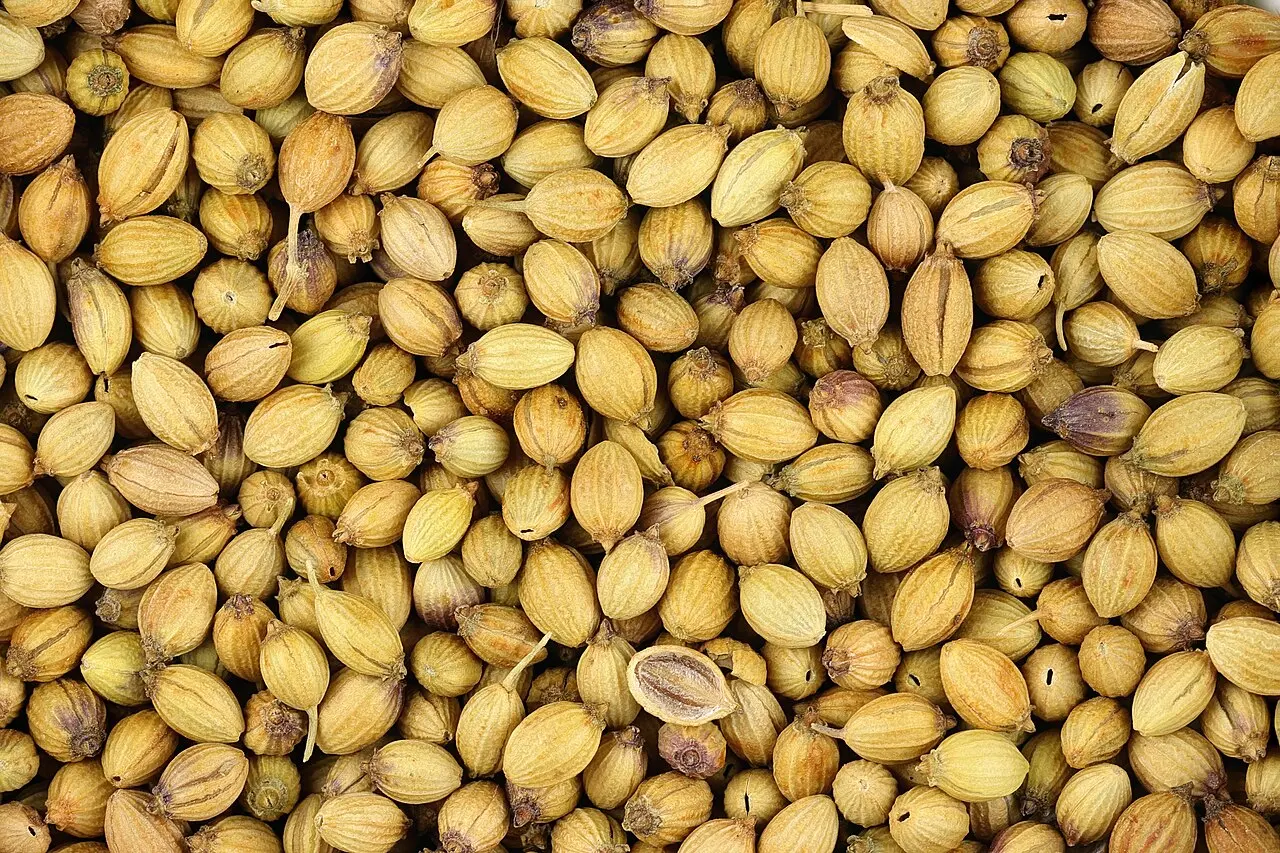 Spice
SpiceCoriander seeds
धनिया बीज (Dhaniya beej)
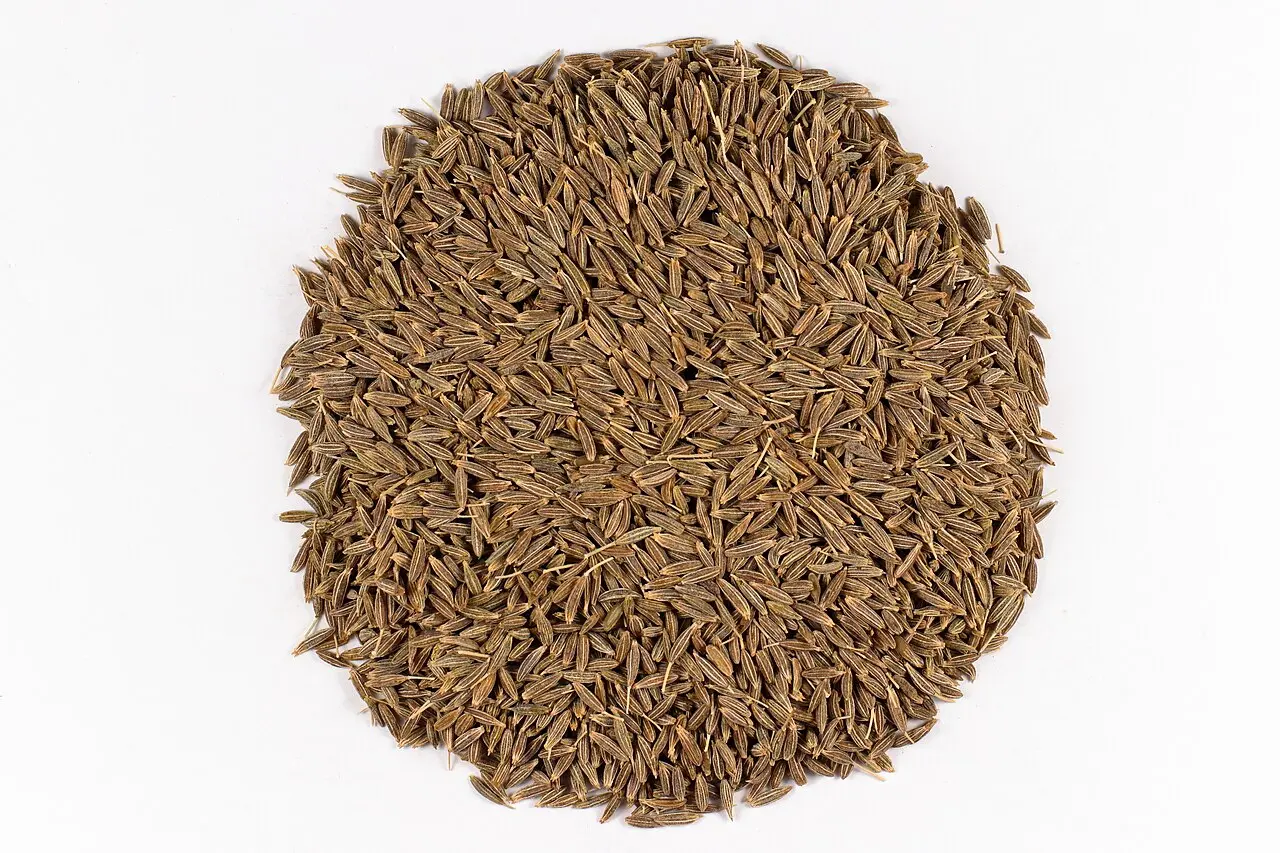 Spice
SpiceCumin seeds
जीरा (Jeera)