
What it is
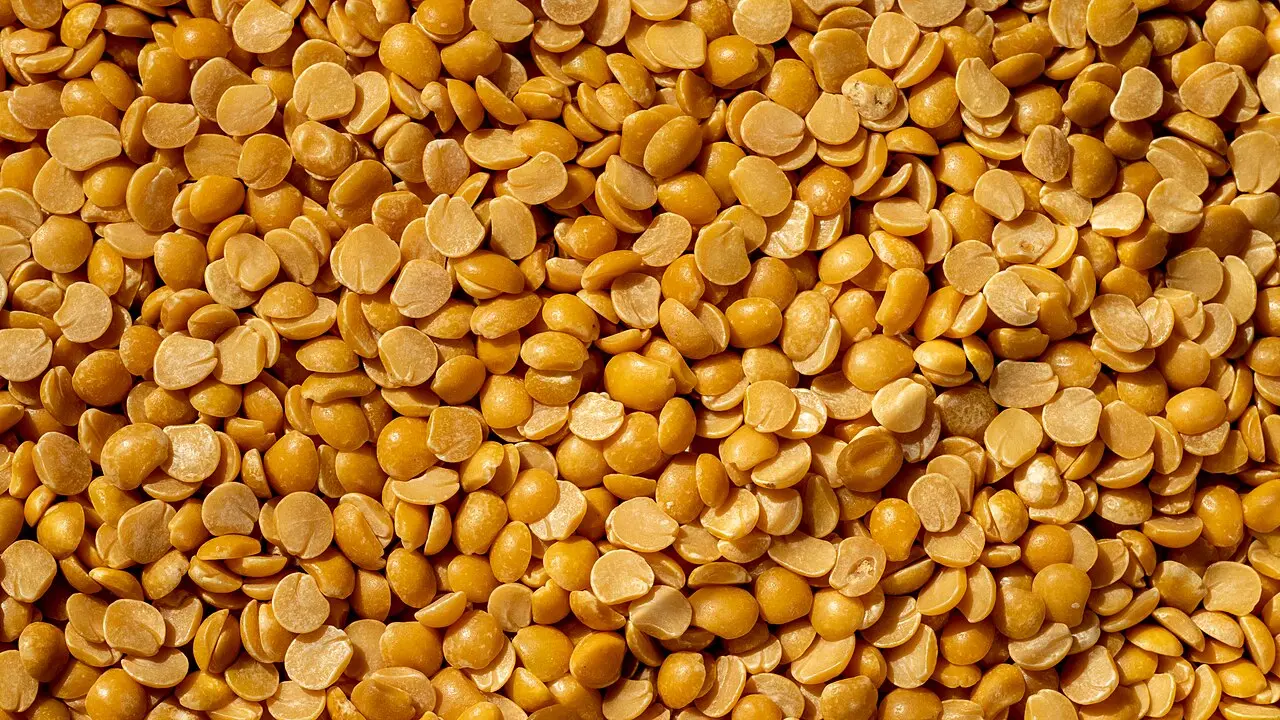
Toor dal consists of the hulled, split seeds of the pigeon pea plant, Cajanus cajan, a perennial legume in the Fabaceae family. In Indian retail markets and home pantries, you buy it dried and split.
Across India, you’ll also hear it called Thuvaram paruppu (Tamil), Kandi pappu (Telugu), Togari bele (Kannada), Thuvara parippu (Malayalam), and Tuver dal (Gujarati).
Flavour and aroma
Mildly earthy and nutty. Boiled, it turns into a smooth, thick broth with a gentle savory aroma. The taste deepens when you finish with ghee, cumin and a touch of hing.
Cooking with it
When to add it
This is the pulse that anchors South Indian sambar and rasam, and the everyday North Indian dal tadka.
Cook it by simmering or pressure-cooking with water, salt and turmeric first; do your tadka later.
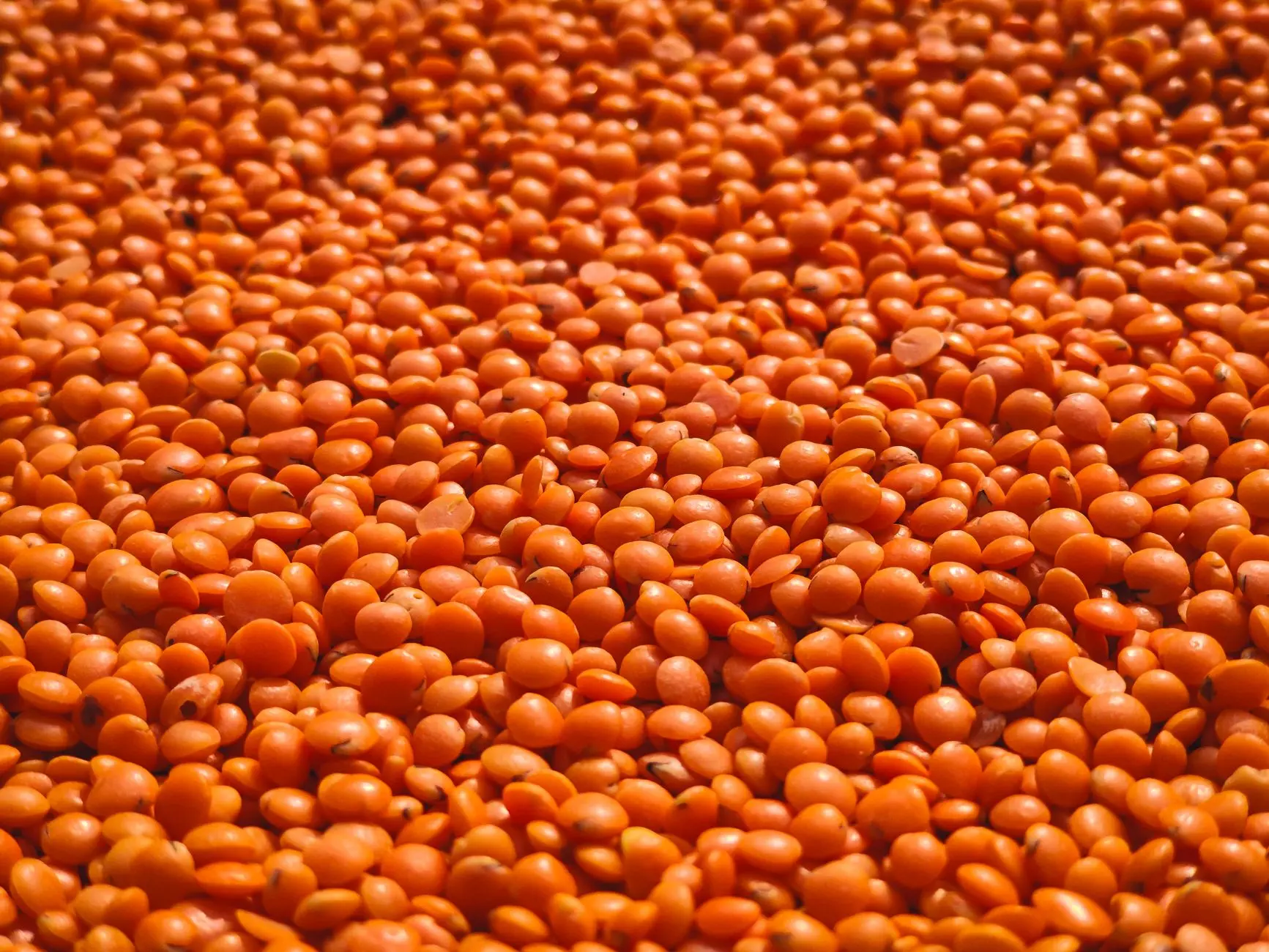
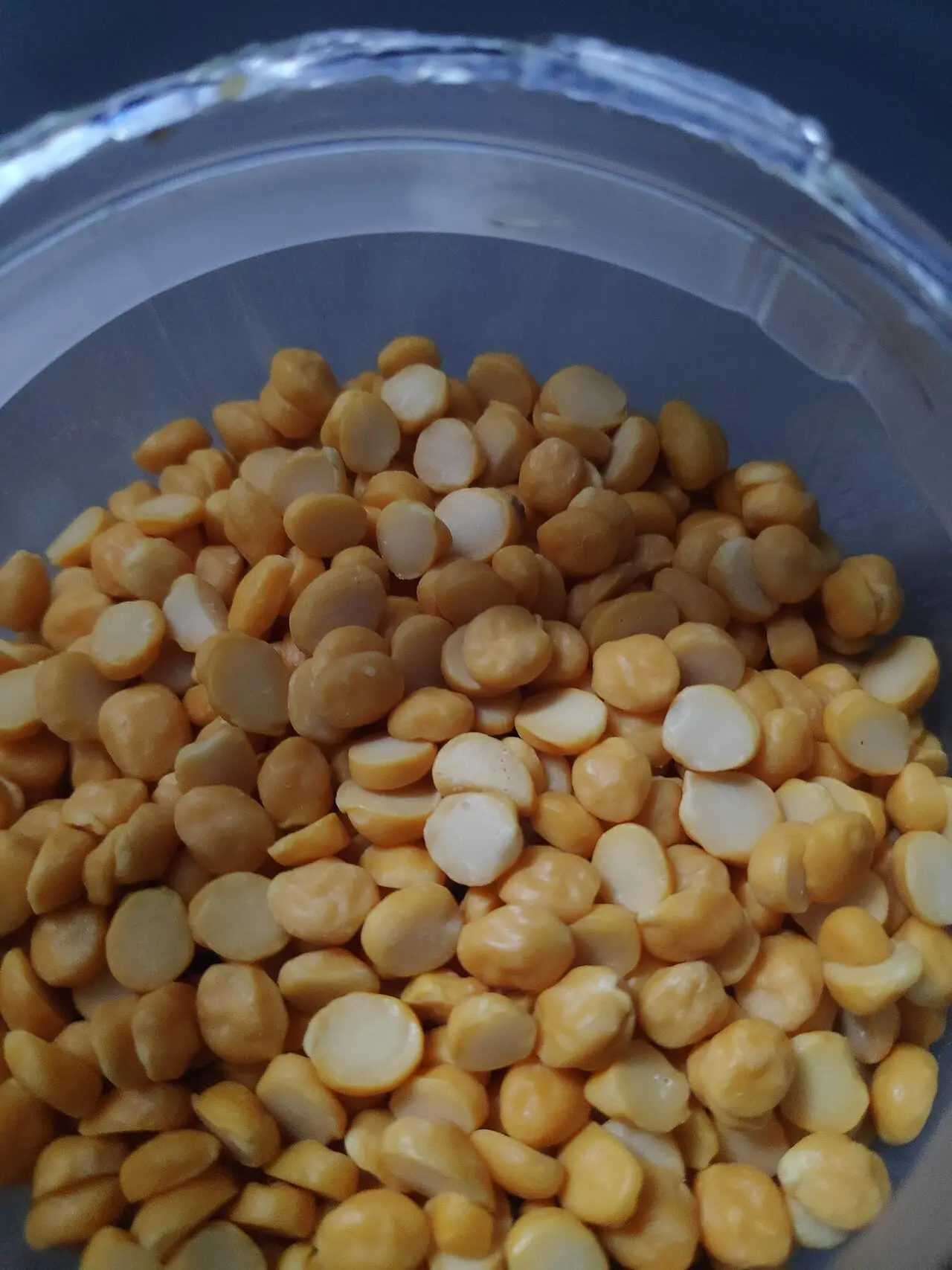
If you’re out of toor dal, split red masoor dal works in homestyle gravies, cooking faster and yielding a slightly softer consistency. For a richer, firm-textured base, use split Bengal gram (chana dal); it needs a longer boil and gives a denser texture.
Substitutes
- Masoor dalcooks faster and yields a slightly softer consistency
- Chana dalrequires longer boiling time and provides a denser texture
Origin and where it grows
Pigeon pea was domesticated on the Indian subcontinent at least 3,500 years ago from wild Cajanus cajanifolius populations. Today, major producing regions include Karnataka, Madhya Pradesh and Uttar Pradesh.
Grown in
Buying and storing
How to pick good quality
Pick unpolished toor dal; it keeps the natural seed luster and nutrient layer without the oil, water or talc glazes sometimes used in commercial milling.
Simple adulteration check
According to the FSSAI DART manual, check for kesari dal by visual inspection: look for smaller, flat, wedge-shaped grains. To test for prohibited artificial dye metanil yellow, add hydrochloric acid to a warm water rinse of the dal and see if it turns pink or magenta.
Storage
Store dry toor dal in a clean, airtight container in a cool, moisture-free place away from direct sunlight.
Shelf life: Up to 12 months in sealed containers.
Nutrition
Per 100 g raw split, toor dal provides about 20–22 g protein, along with substantial dietary fiber, folate and iron.
Frequently asked questions
When should I add tadka to toor dal?
Simmer or pressure-cook the dal with water, salt and turmeric first; add the tempering afterward.
Which dishes use toor dal the most?
It forms the primary pulse foundation for South Indian sambar and rasam, and for everyday North Indian dal tadka.
What can I substitute for toor dal?
Split red masoor dal can stand in and cooks faster with a softer finish. For a firmer, denser base, use chana dal and cook it longer.
How do I check if my toor dal is adulterated?
FSSAI DART suggests looking for smaller, flat, wedge-shaped grains to spot kesari dal. For metanil yellow, add hydrochloric acid to a warm water rinse; a pink or magenta turn indicates the dye.
How should I store toor dal and how long does it keep?
Keep it in a clean, airtight container in a cool, moisture-free place away from sunlight. Properly stored, raw split toor dal keeps well for up to twelve months.
Related ingredients
 Lentil and pulse
Masoor dal
मसूर दाल (Masoor dal)
 Lentil and pulse
Chana dal
चना दाल (Chana dal)
 Lentil and pulse
Moong dal
मूंग दाल (Moong dal)
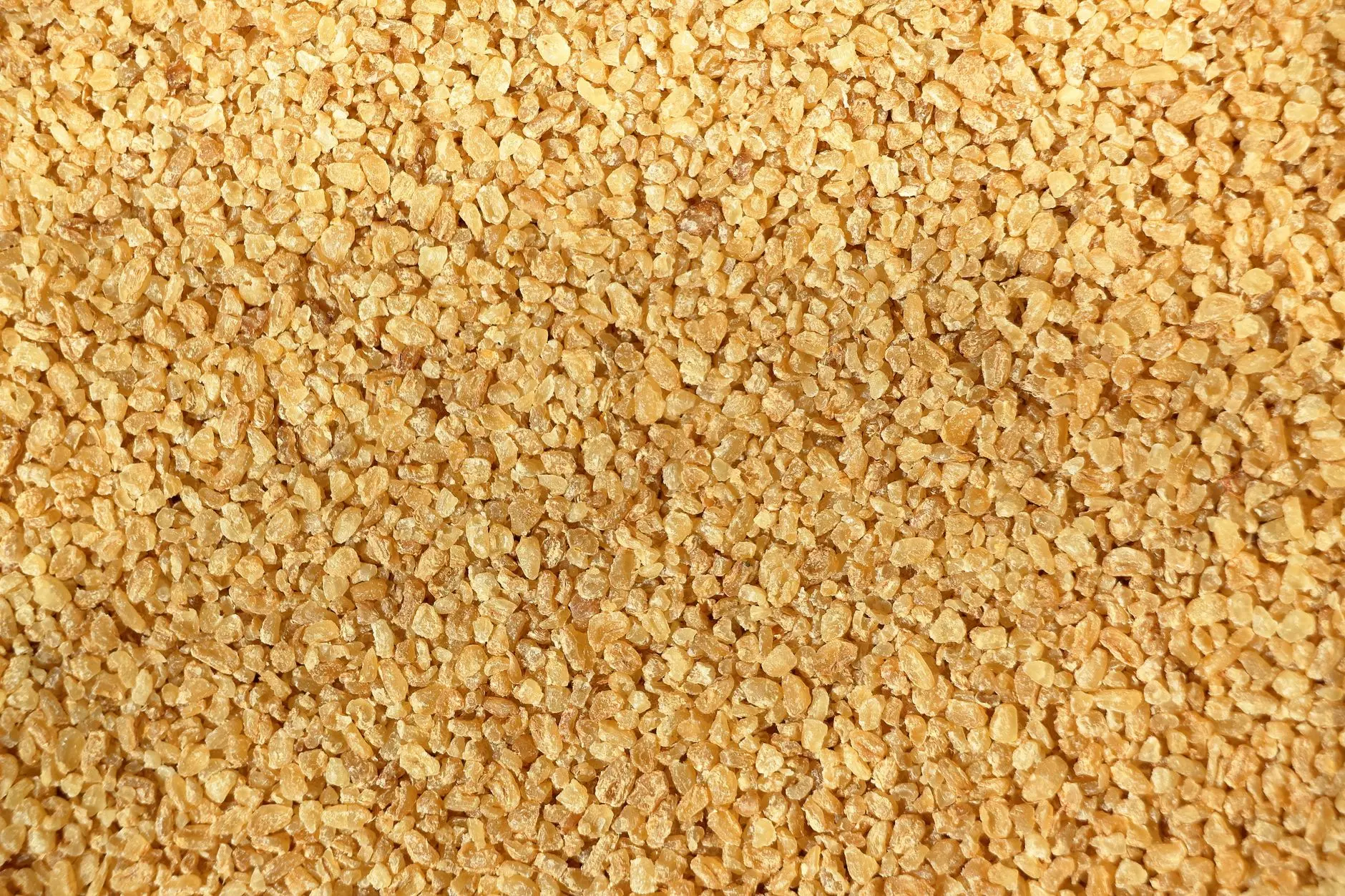 Grain and rice
Broken wheat
दलिया (Daliya)
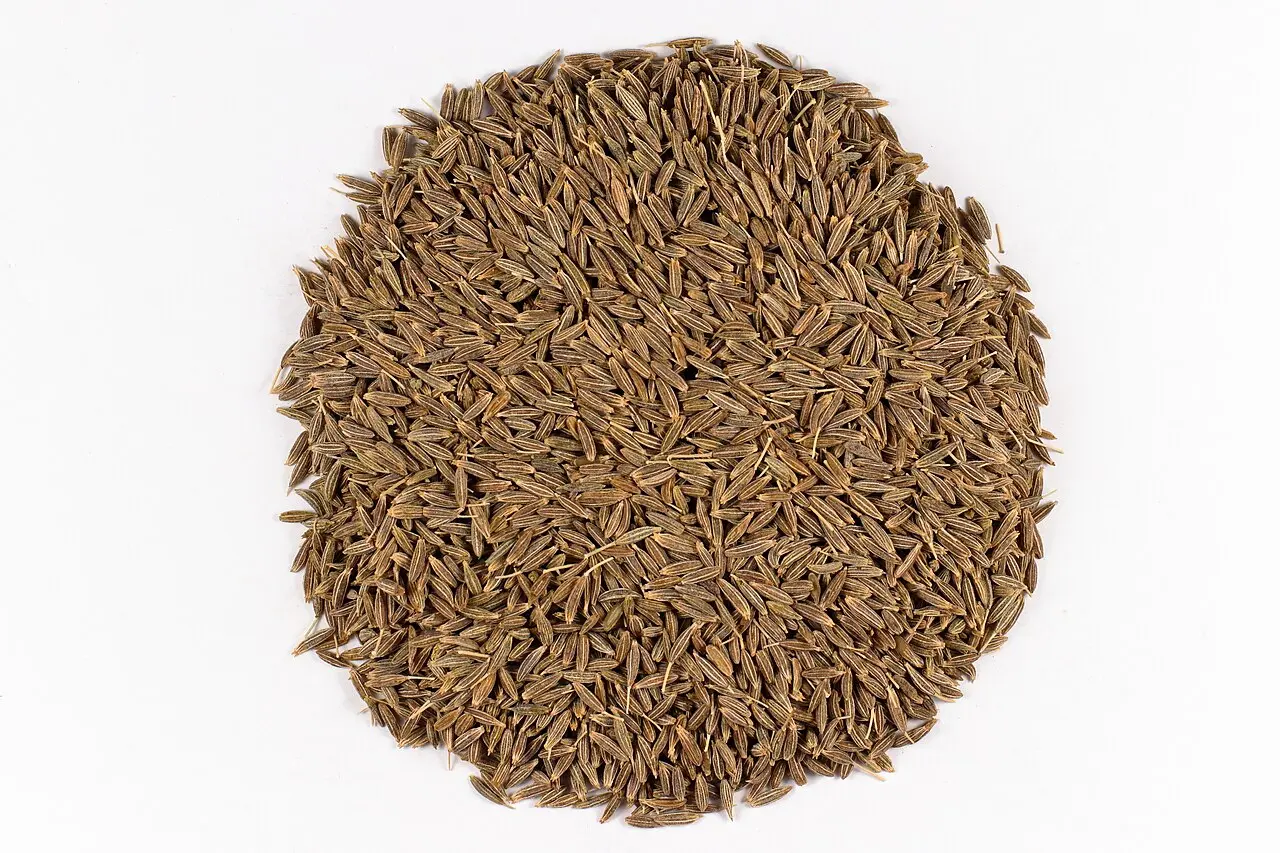 Spice
SpiceCumin seeds
जीरा (Jeera)
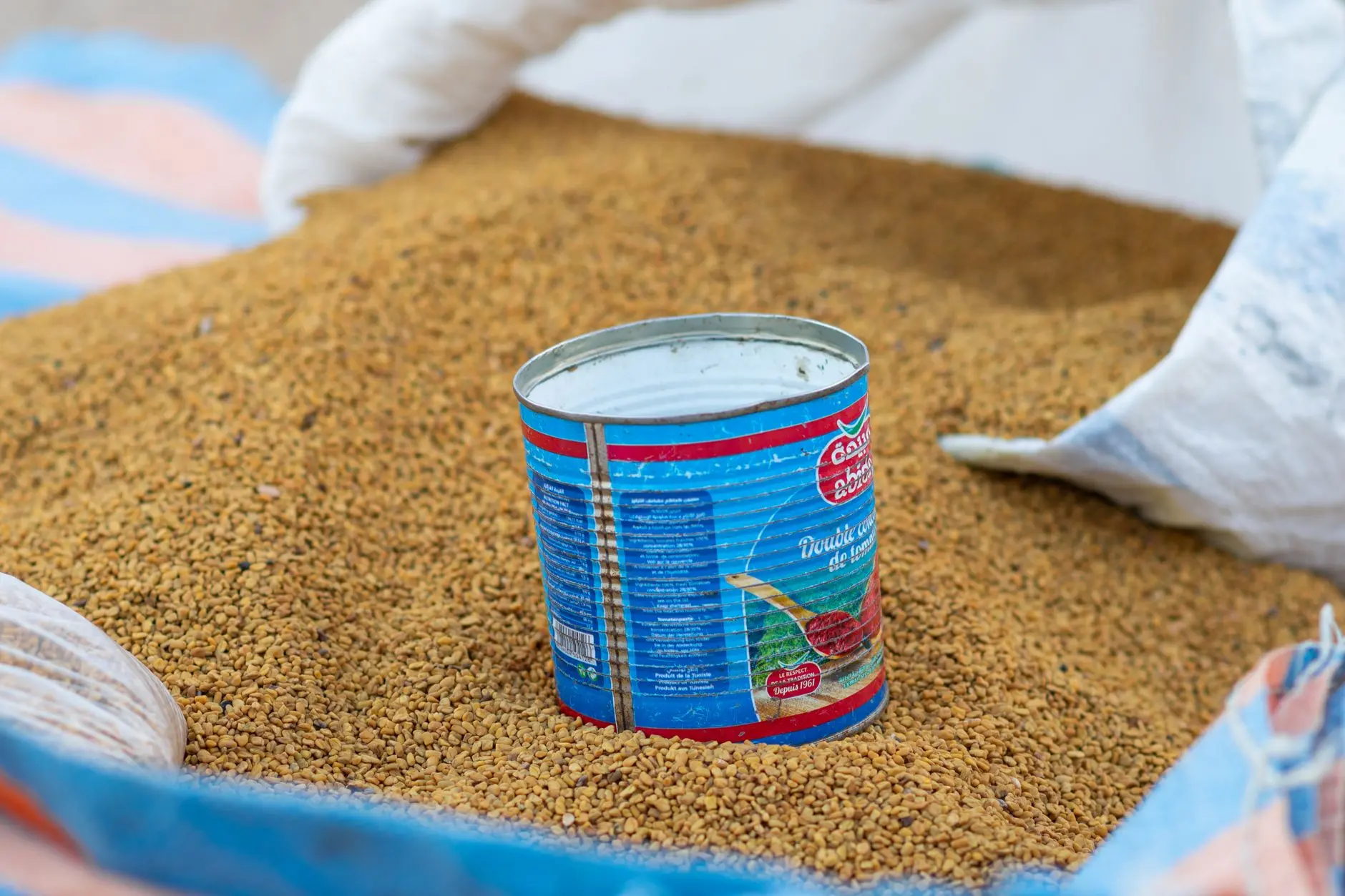 Spice
SpiceFenugreek seeds
मेथी दाना (Methi dana)