
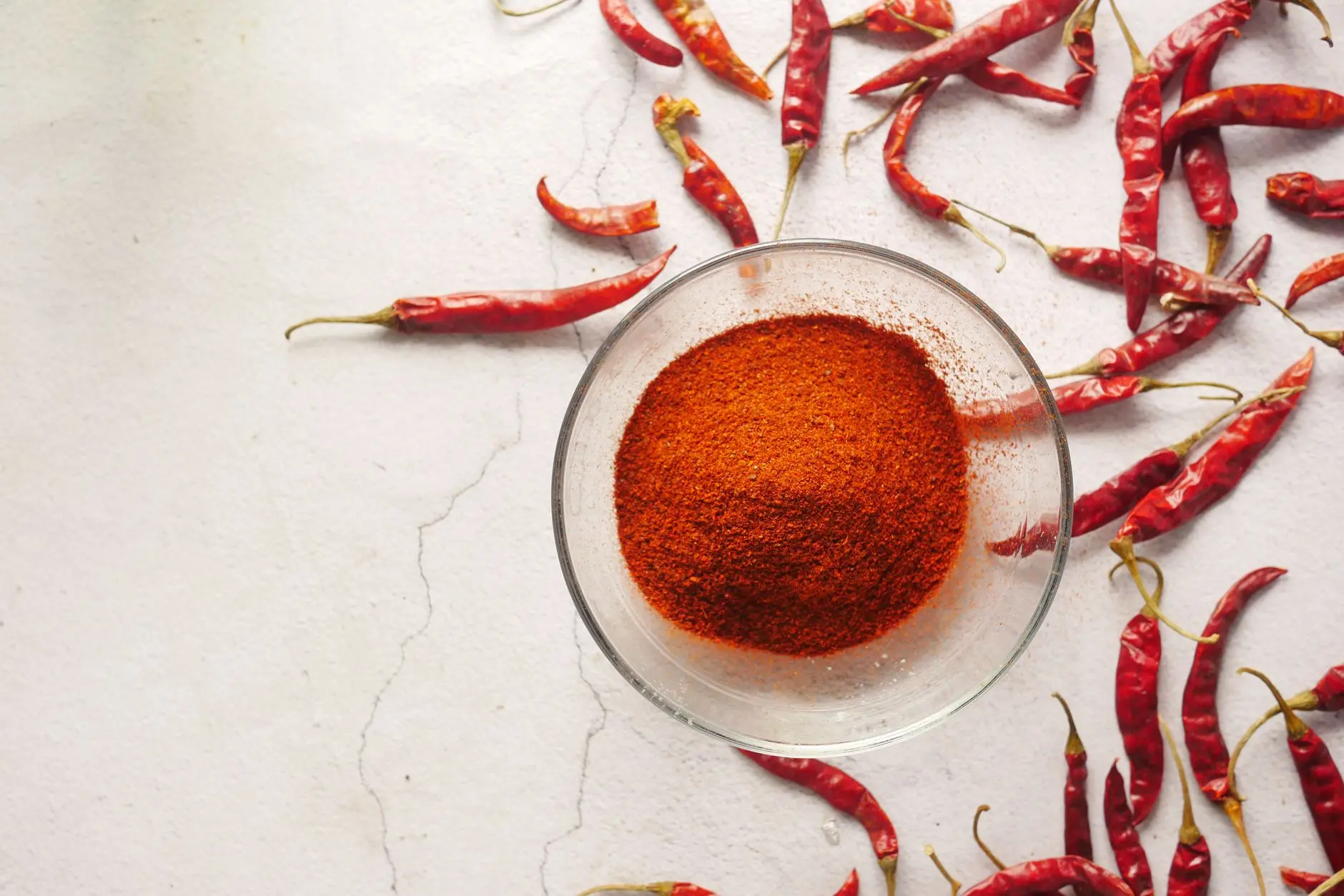
What it is
Red chilli powder is prepared by finely grinding clean, sound, mature dried ripe pods of plants belonging to the genus Capsicum, primarily Capsicum annuum.
It is widely processed and traded in a finely ground dry powder form.
Flavour and aroma
It gives a distinctive sharp heat from natural capsaicin and a strong pungent bite that defines heat levels in curries and spice blends. Beyond the heat there are earthy undertones and, depending on the cultivar, notes that can be fruity and mild or intensely stinging and biting.
Cooking with it
When to add it
How much to use
It is an indispensable foundation spice in virtually all regional Indian savoury preparations, including curries, kormas, sambars, and pickle masalas.
Add it while sautéing the wet onion–ginger–garlic–tomato base so the flavours bloom; use it in wet and dry marinades for meats, seafood and paneer before grilling or frying; or stir it briefly into hot ghee or oil right at the end of a tadka, often taking the pan off direct heat to prevent scorching.
Substitutes
- Kashmiri chilli powderoffers deep red color with much milder pungency
Origin and where it grows
Chillies are native to tropical South America and were introduced to the Indian subcontinent by Portuguese navigators during the late fifteenth and sixteenth centuries.
Grown in
Notable varieties
- Guntur Sannam ChilliGI tagged
Andhra Pradesh
- Byadagi ChilliGI tagged
Karnataka
- Khola ChilliGI tagged
Goa
Buying and storing
How to pick good quality
Adding dry chilli powder straight into smoking hot oil can burn it within seconds, making dishes bitter and dark; mixing it with a tablespoon of water or adding it along with ground coriander cushions it from scorching.
Storage
Keep red chilli powder in an airtight glass or food-grade metal container stored in a cool, dry, dark pantry away from direct sunlight, which degrades its colour.
Shelf life: Retains good aroma and heat for six to nine months when properly stored.
Nutrition
Red chilli powder is concentrated in capsaicinoids and carotenoid pigments like capsanthin and capsorubin, and provides small amounts of iron, potassium, and dietary fibre.
Frequently asked questions
When should I add red chilli powder while cooking?
Most often while sautéing the wet onion–ginger–garlic–tomato base so the flavours bloom; it’s also used in marinades, and sometimes stirred into hot ghee or oil at the end of a tadka, usually off the direct heat to avoid scorching.
How much red chilli powder for a family-sized dish?
A standard home-cooked dish serving four typically uses between half to two teaspoons, adjusted for the chilli’s heat and your tolerance.
Which chilli powder gives red colour without too much heat?
Kashmiri chilli powder can replace regular hot chilli powder when a vibrant red colour is desired with much milder pungency.
How should I store red chilli powder and how long does it keep?
Store in an airtight glass or food-grade metal container in a cool, dry, dark pantry away from sunlight; it keeps good aroma and heat for six to nine months.
Related ingredients
 Spice
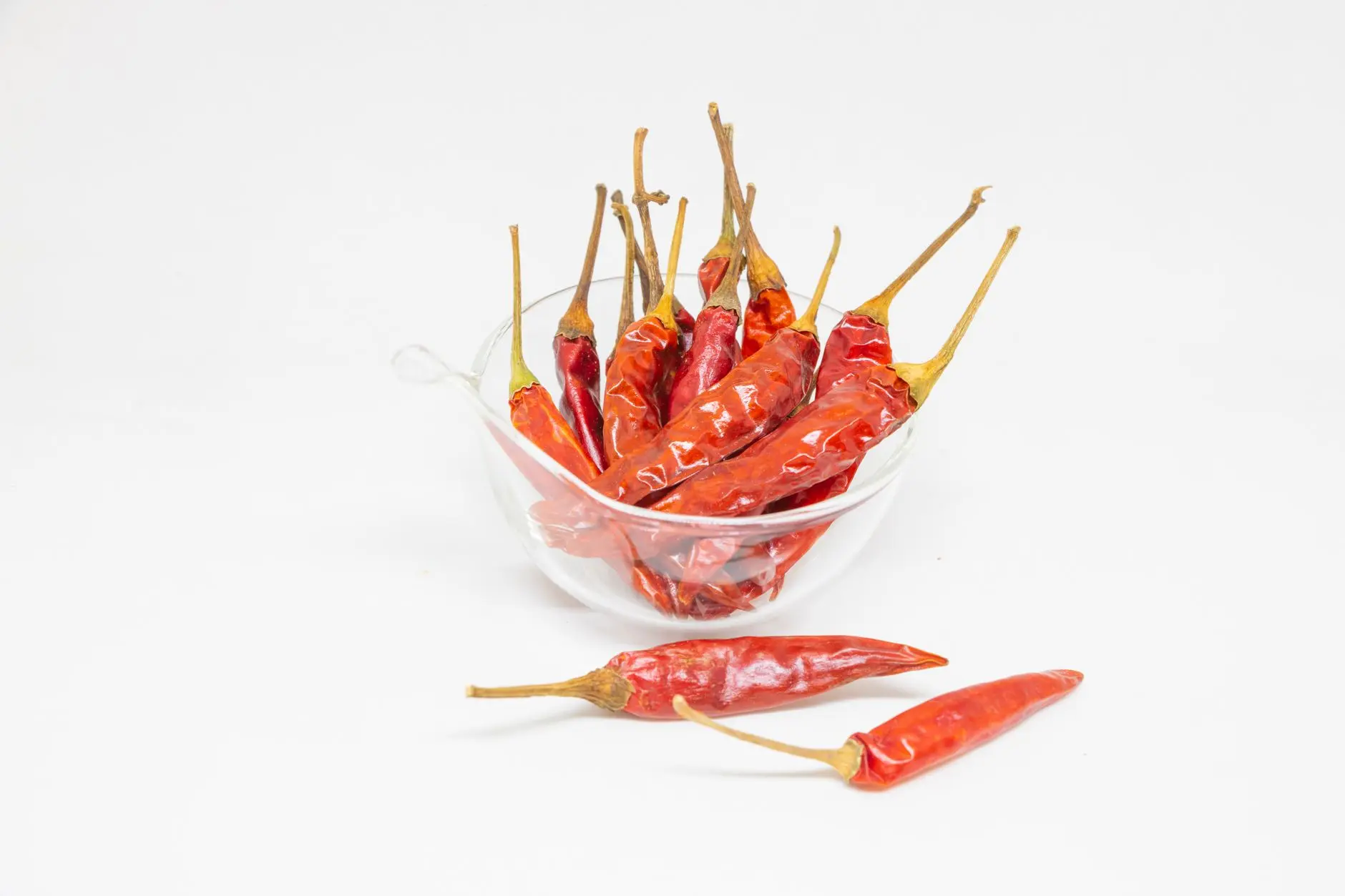
SpiceDried red chilli
साबुत लाल मिर्च (Sabut lal mirch)
 Spice
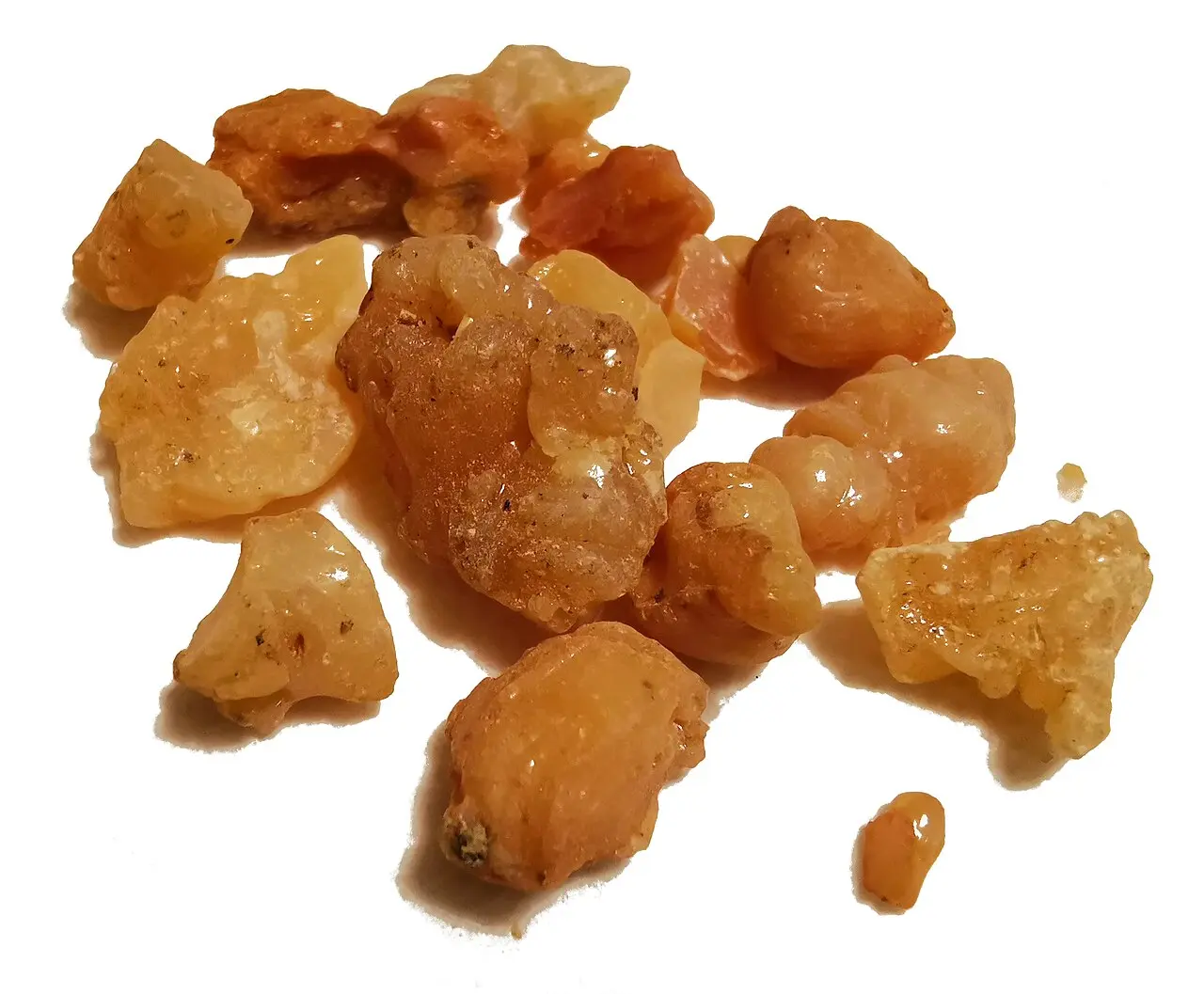
SpiceAsafoetida
हींग (Hing)
 Spice
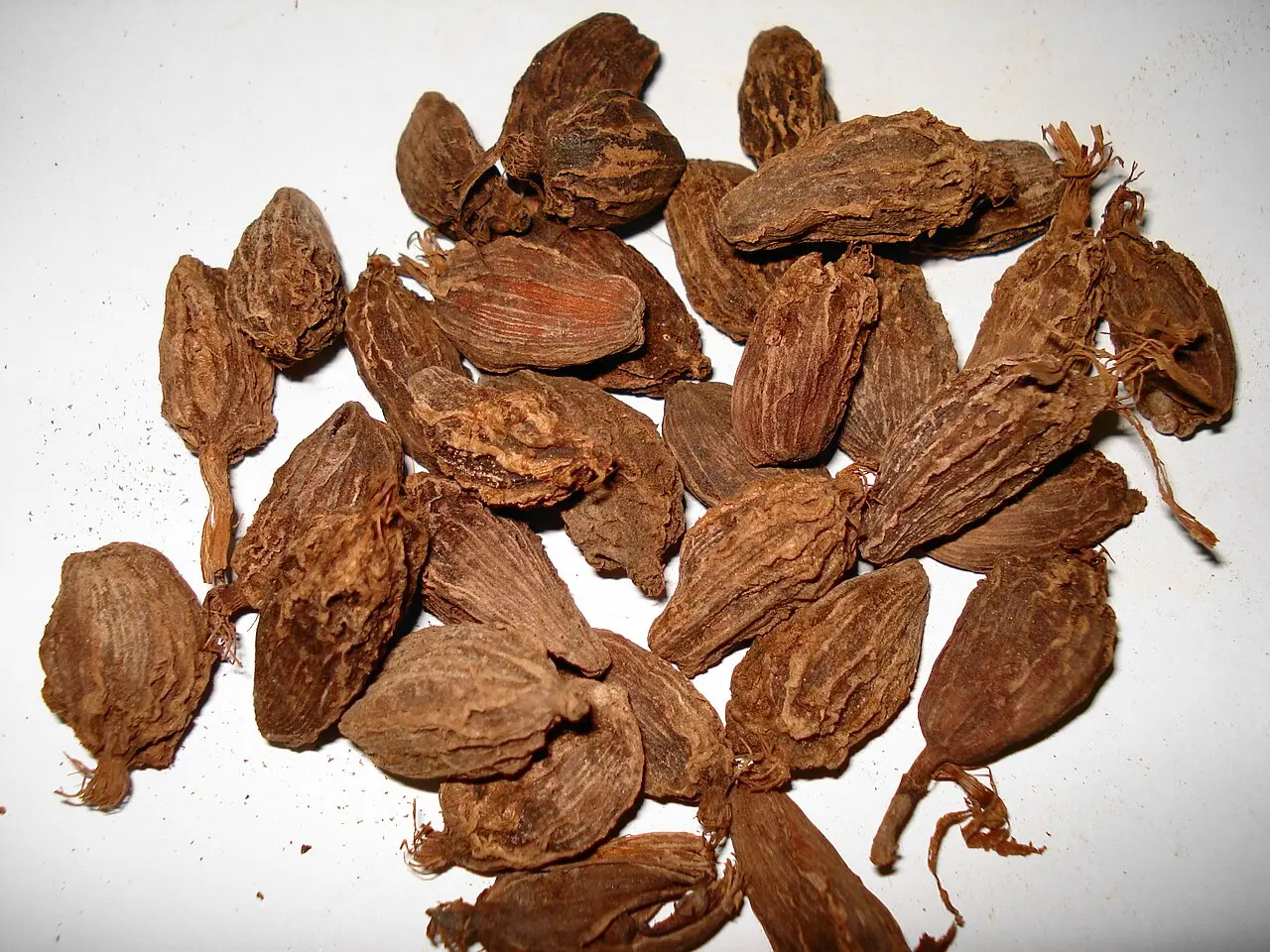
SpiceBlack cardamom
बड़ी इलायची (Badi elaichi)
 Spice
SpiceBlack pepper
काली मिर्च (Kali mirch)
 Spice
SpiceBlack salt
काला नमक (Kala namak)
 Spice
SpiceCarom seeds
अजवाइन (Ajwain)