
What it is
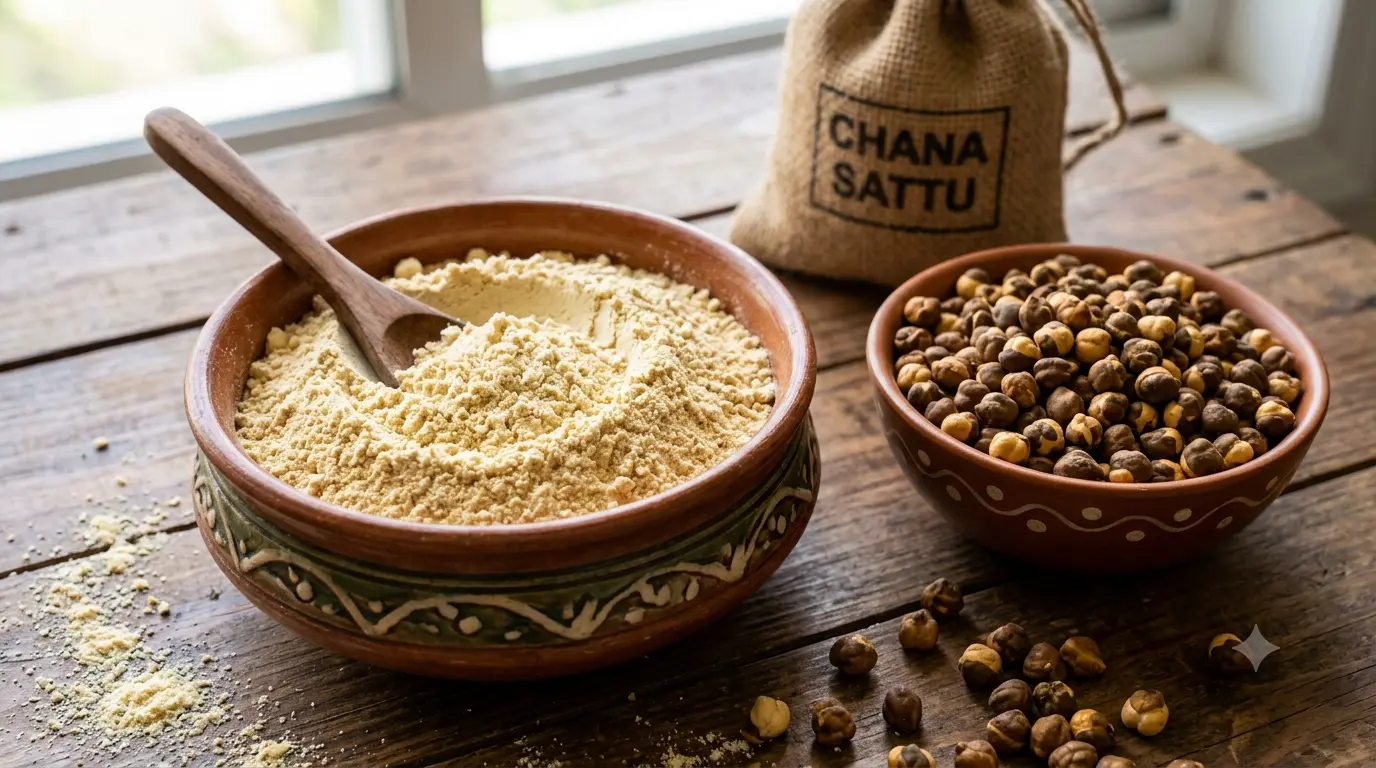
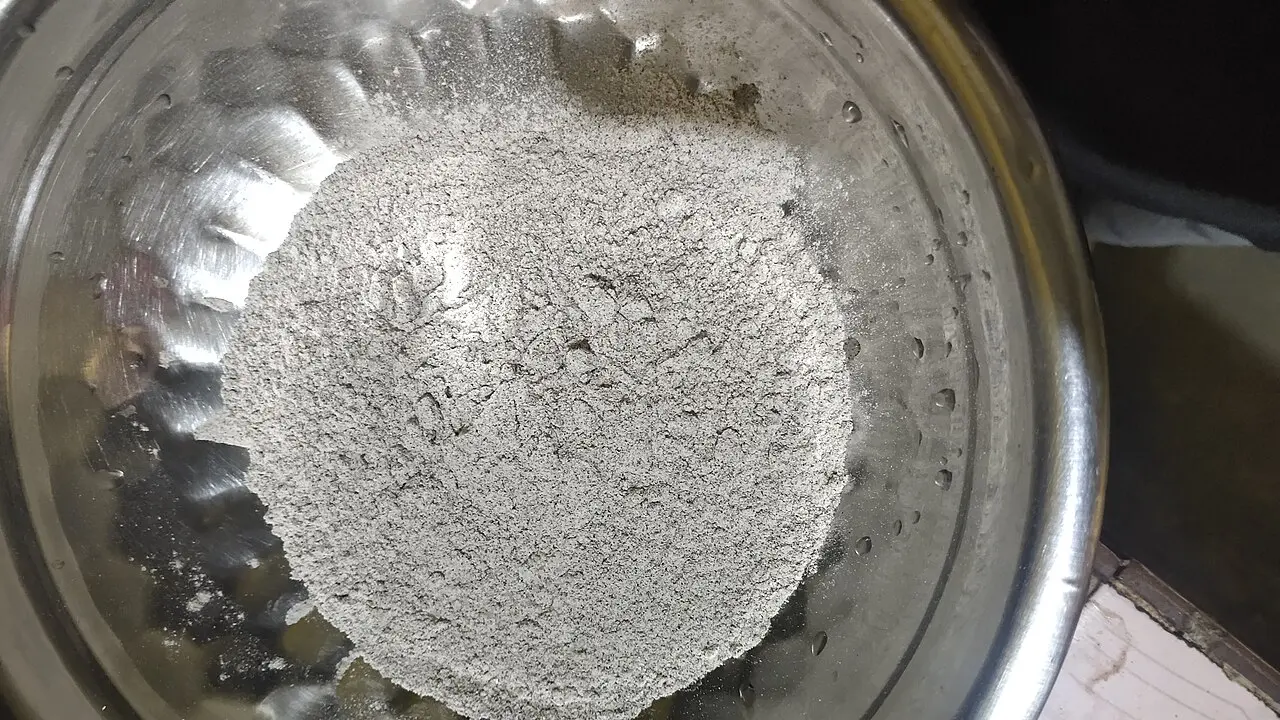
Sattu, or सत्तू, is a nutritious roasted flour made primarily from dry-roasted Bengal gram. Some regional versions also include roasted barley. It is sold as a ready-to-eat fine or coarse dry powder.
In Odisha, roasted gram flour is called chhatua; in West Bengal, chhatu.
Flavour and aroma
Expect a pronounced roasted, nutty character with deep earthy notes from sand-roasted chickpeas and their seed coats. Because the grains are thoroughly roasted before milling, it has a toasted, warm aroma and lacks the raw, grassy bitterness of unprocessed besan.
Cooking with it
When to add it
For an instant drink, blend sattu straight into cold water or buttermilk. For sattu sharbat, whisk with water, lemon juice, roasted cumin, black salt, and chopped onions.
Mix sattu with spices and water or oil to make a stiff spiced filling. This is the classic stuffing for Bihari litti with raw mustard oil, kalonji, and pickle masala.
Stuff sattu into whole wheat dough for sattu ke parathe. In eastern India, combine sattu with ghee, powdered sugar, and cardamom to roll sattu ladoos.
Substitutes
- Ground roasted chana dalgrind whole roasted Bengal gram finely to match the roasted nutty flavor
Origin and where it grows
Roasted grain meals referred to as saktu are documented in classical Ayurvedic texts and were carried as sustained rations for travelers. Today, major producing and processing centers for Bengal gram sattu include Bihar, Uttar Pradesh, Madhya Pradesh, and Jharkhand.
Grown in
Buying and storing
How to pick good quality
Pick sattu with an even pale golden-buff color and a clean roasted aroma. Avoid any sour, rancid, or moldy smell.
Simple adulteration check
To test for non-permitted yellow colorant in gram flour products, dissolve a sample in alcohol and add concentrated hydrochloric acid; a persistent magenta coloration indicates chemical dye adulteration.
Storage
Keep sattu in a tightly sealed, moisture-proof container in a cool, dry pantry to prevent weevil infestation and lipid degradation.
Shelf life: 2 to 6 months at room temperature when properly sealed
Nutrition
Chana sattu provides roughly 20 to 25 percent plant protein along with high dietary fiber and iron, and it has a low glycemic profile.
Frequently asked questions
Is sattu the same as besan?
No. Sattu is roasted before milling, which gives it a toasted, warm aroma and avoids the raw, grassy bitterness of unprocessed besan.
How do I make a quick sattu drink?
Blend sattu into cold water or buttermilk. For sattu sharbat, whisk with water, lemon juice, roasted cumin, black salt, and chopped onions.
What dishes can I make with sattu?
Use it for the classic litti stuffing with raw mustard oil, kalonji, and pickle masala; stuff parathas; or roll sattu ladoos with ghee, powdered sugar, and cardamom.
What can I use if I don't have sattu?
Grind store-bought roasted Bengal gram to a fine powder to replicate chana sattu and match its roasted nutty flavor.
How should I store sattu and how long does it last?
Keep it tightly sealed in a moisture-proof container in a cool, dry pantry. Properly sealed roasted gram flour maintains quality for 2 to 6 months at room temperature.
Related ingredients
 Grain and rice
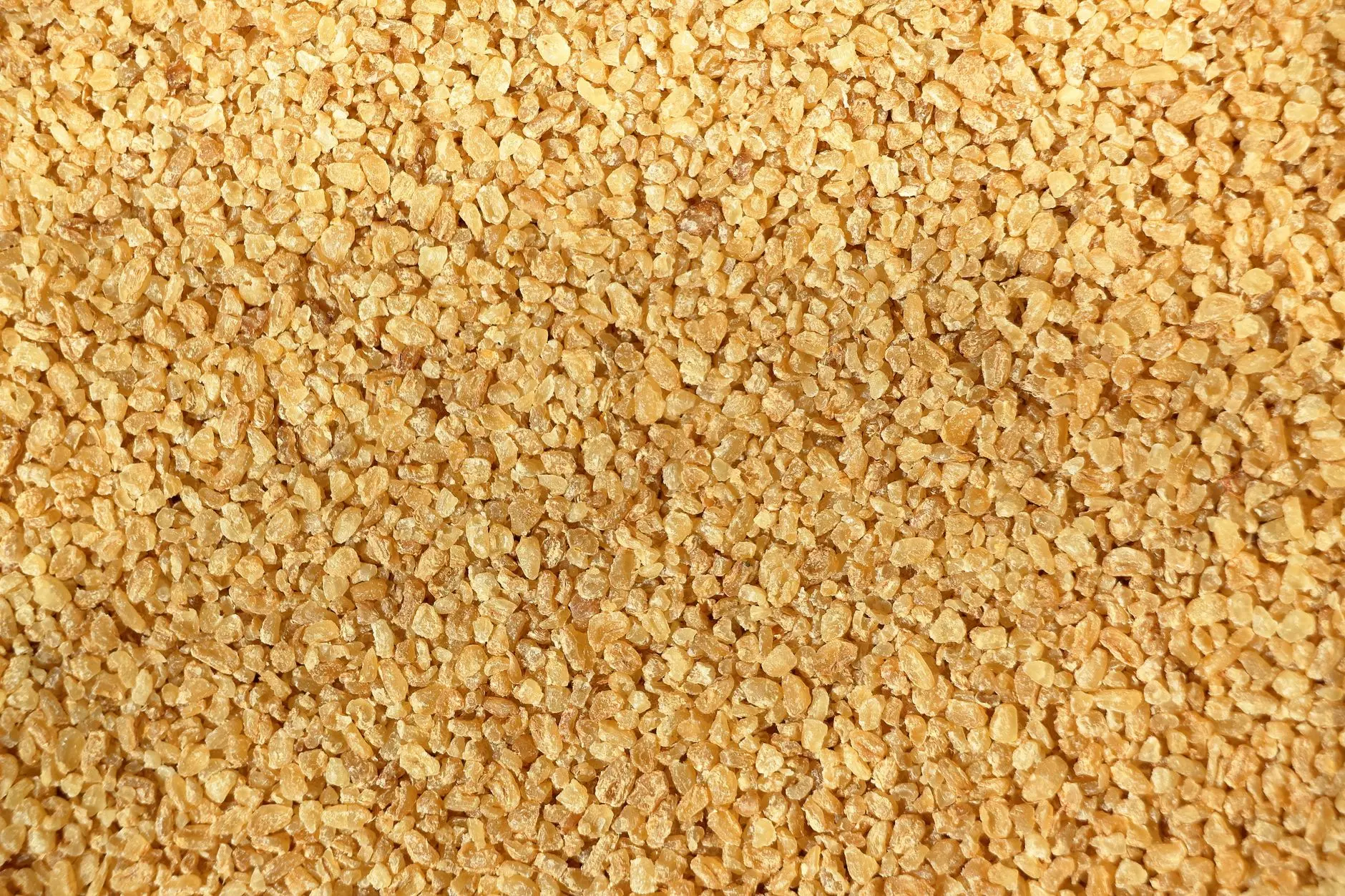
Broken wheat
दलिया (Daliya)
 Spice
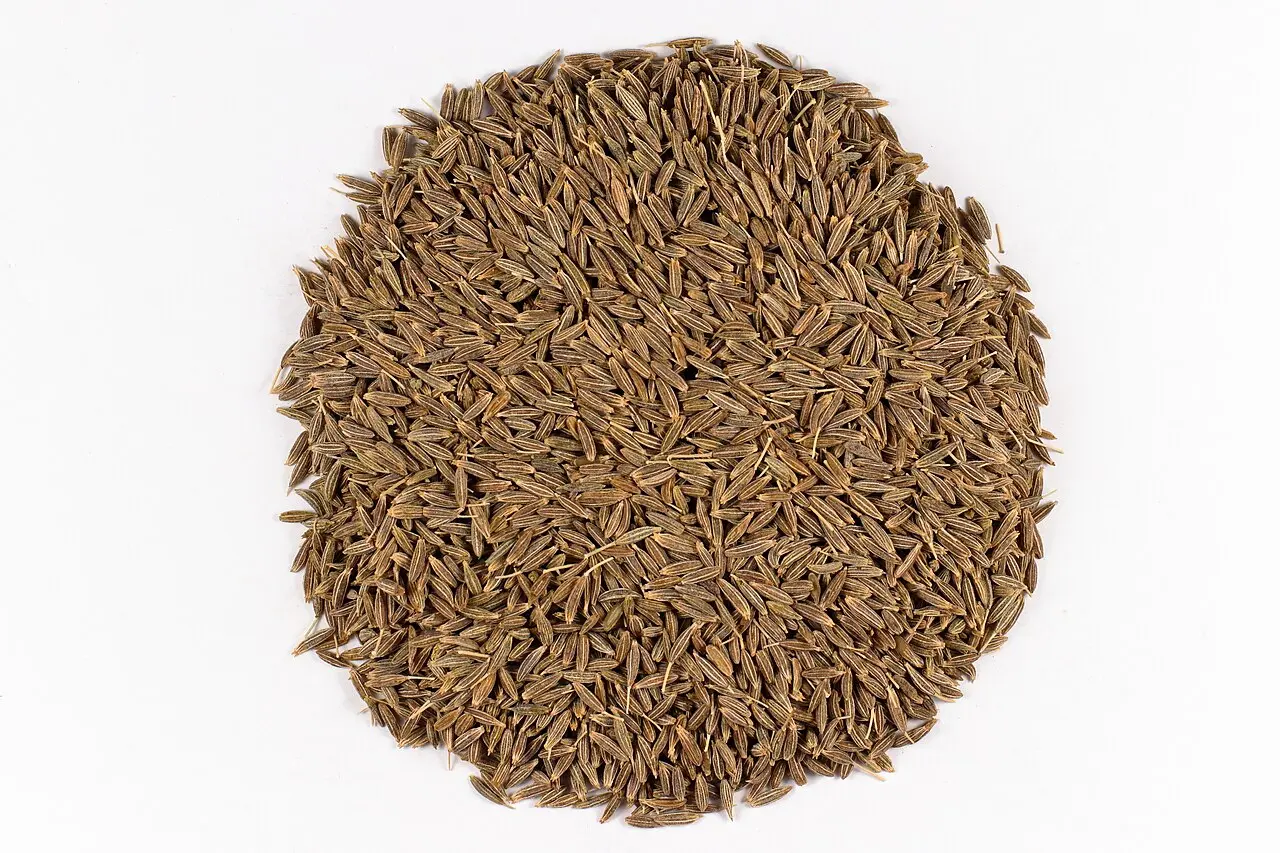
SpiceCumin seeds
जीरा (Jeera)
 Spice
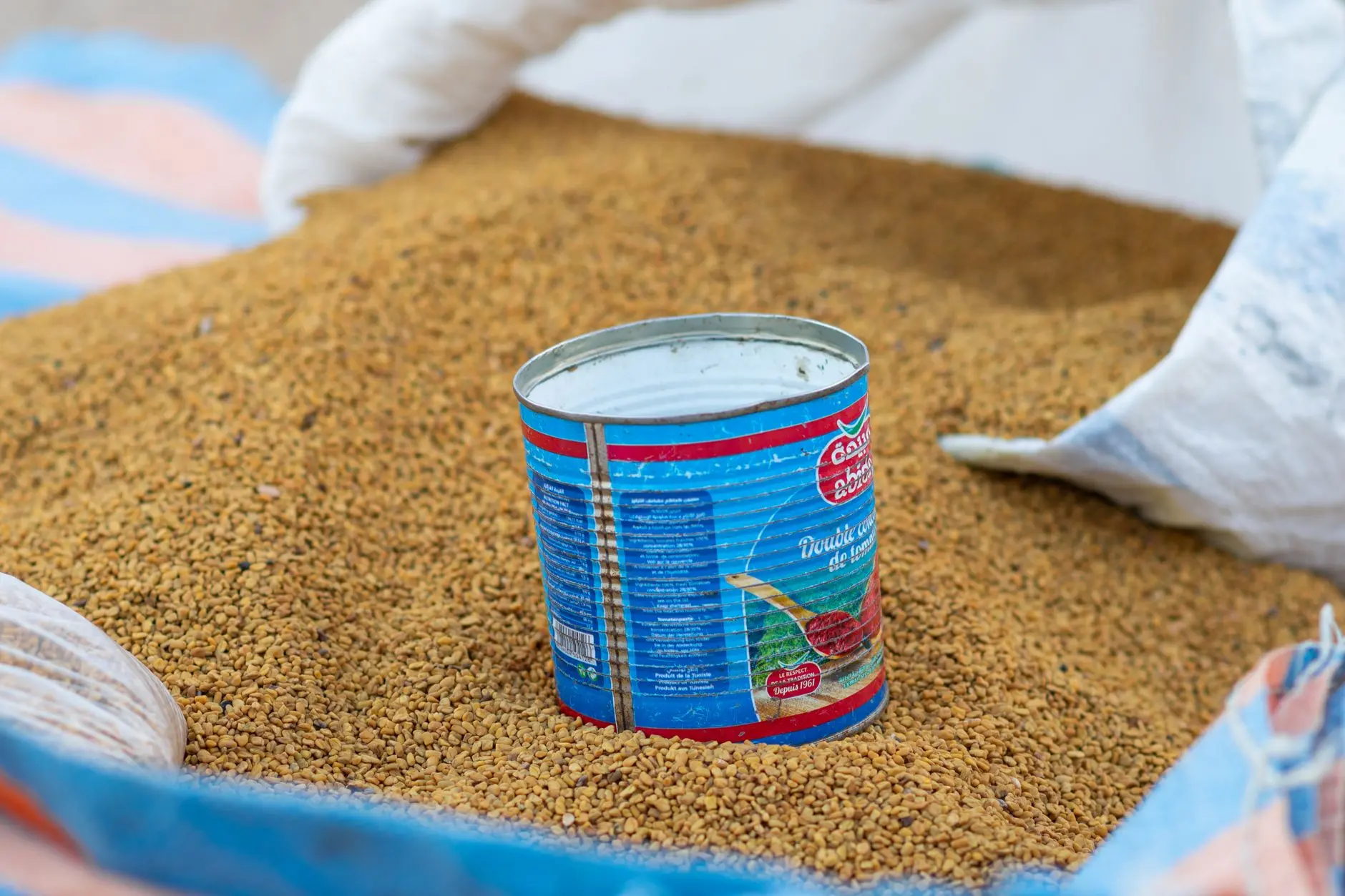
SpiceFenugreek seeds
मेथी दाना (Methi dana)
 Grain and rice
Finger millet
रागी (Ragi)
 Spice blend
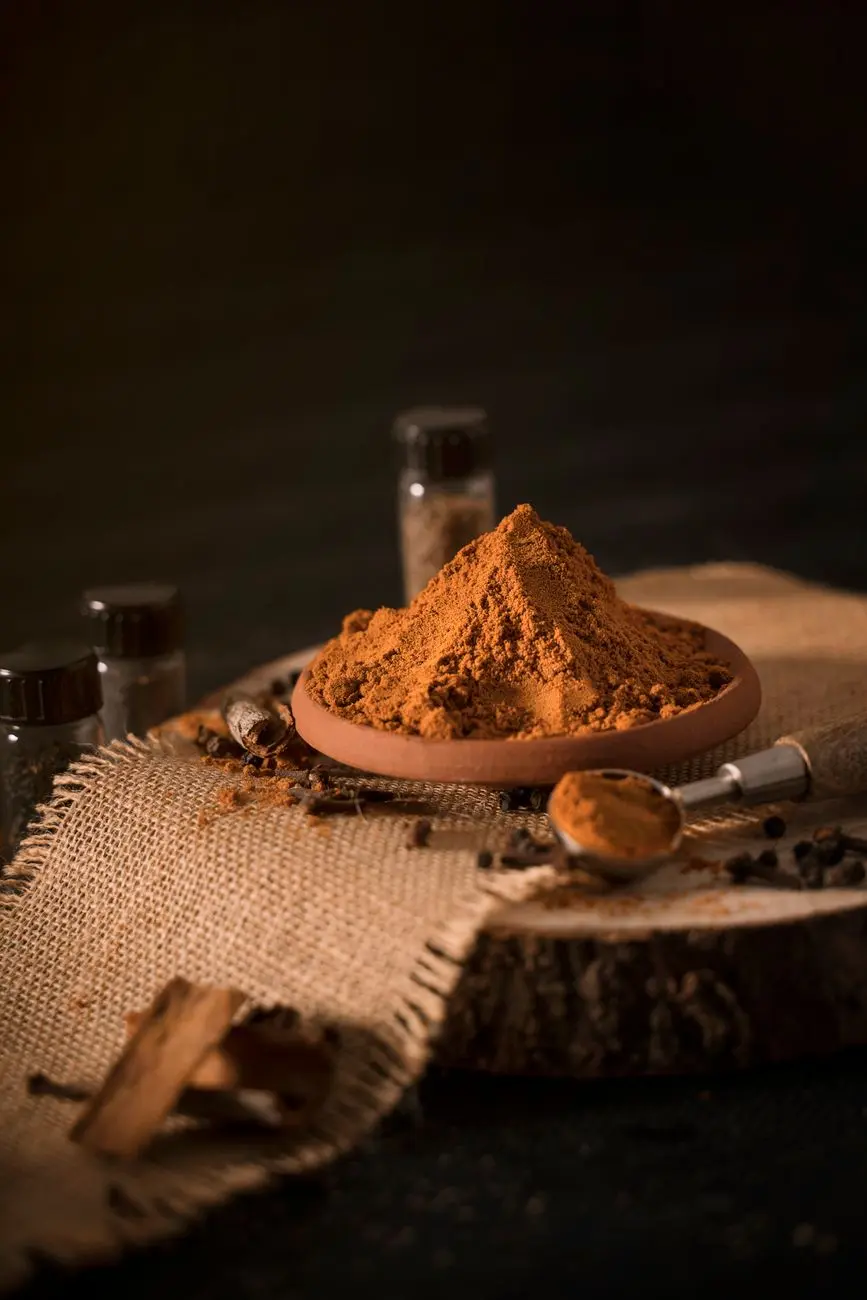
Goda masala
गोडा मसाला (Goda masala)
 Lentil and pulse
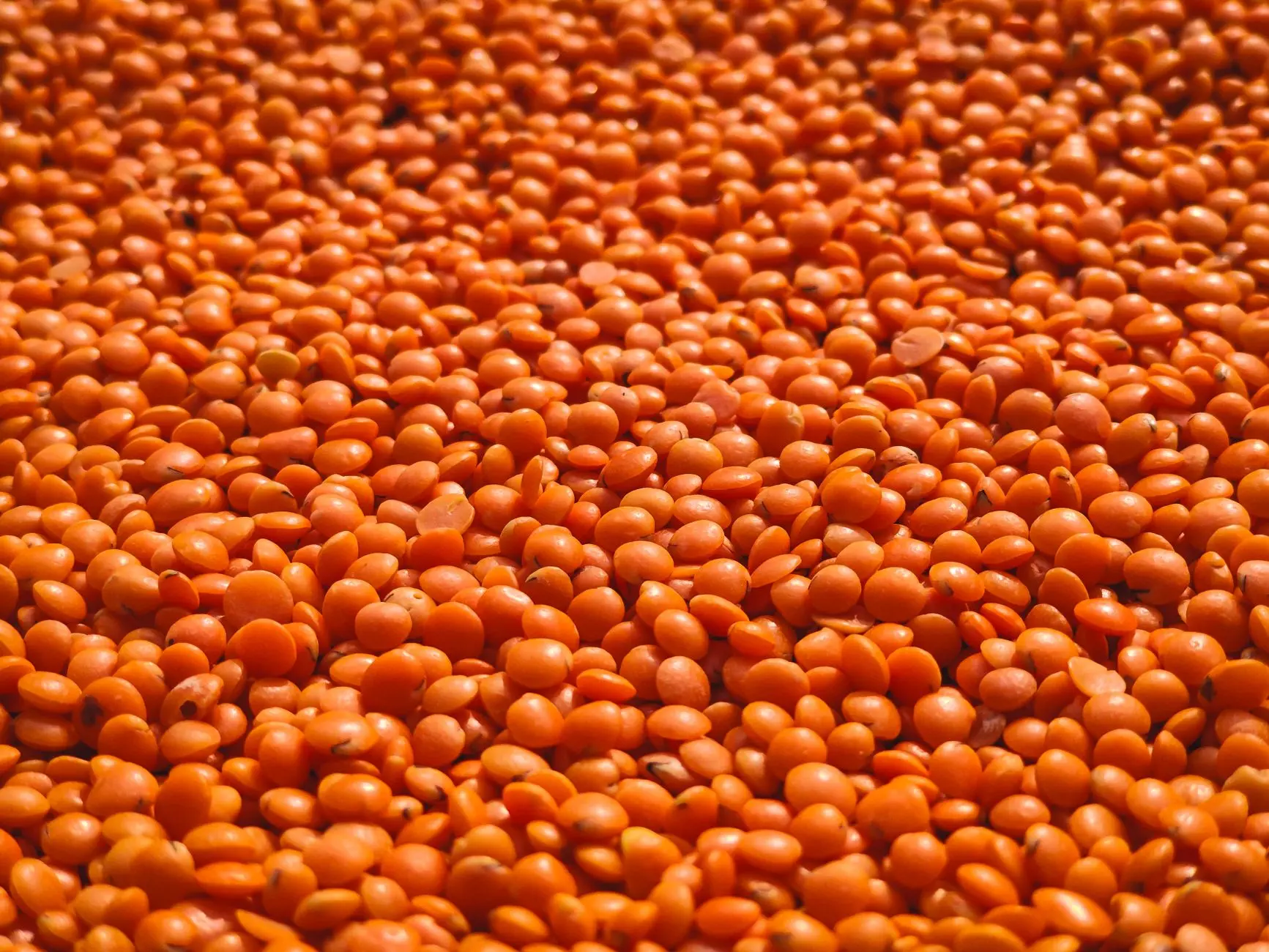
Masoor dal
मसूर दाल (Masoor dal)