
What it is
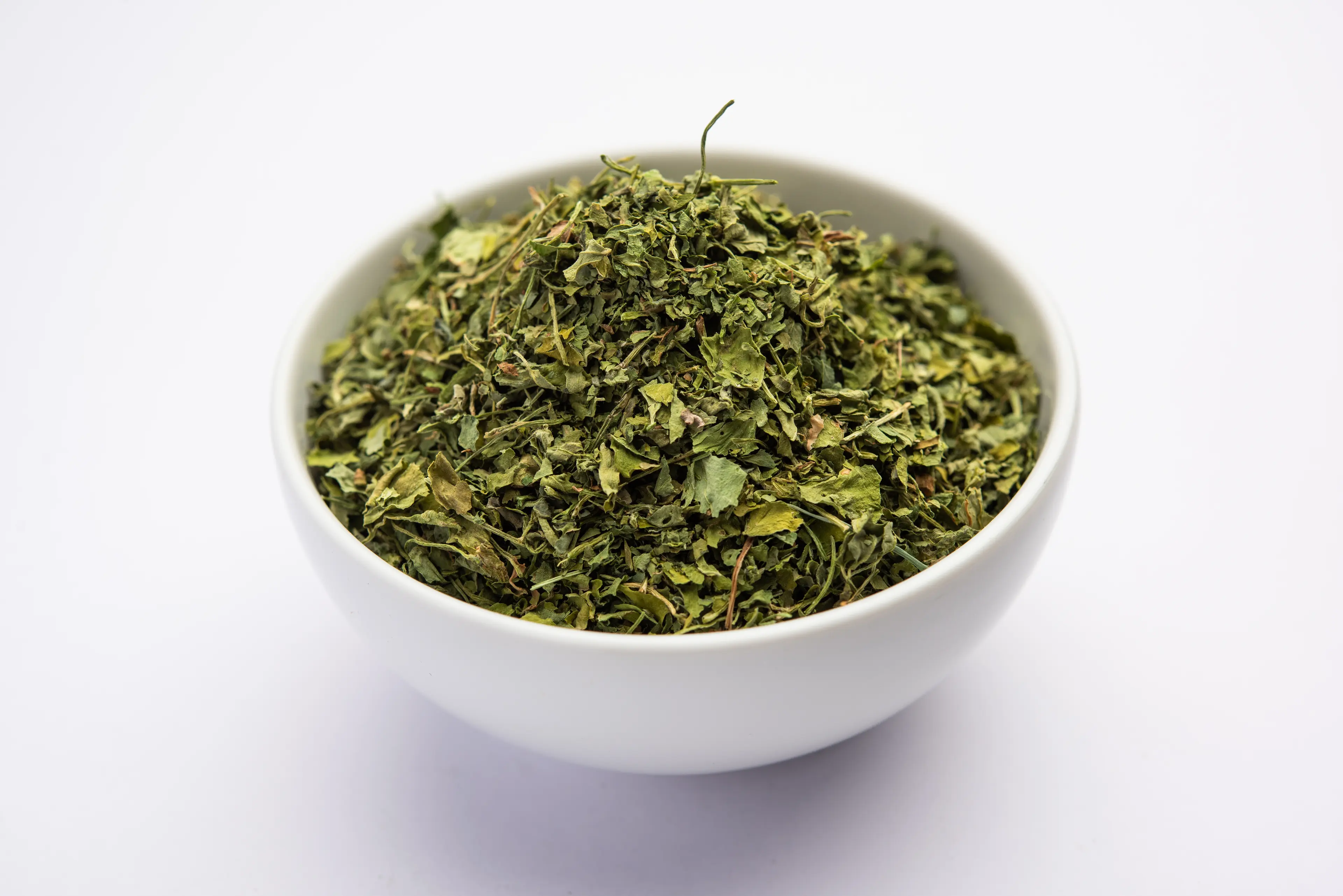
Kasuri methi are the sun-dried leaves of the fenugreek plant (Trigonella foenum-graecum/Trigonella corniculata) in the Fabaceae family. It’s the foliage, not the seeds, and it’s sold and used as dried leaves.
Regional names you might hear: in Kannada, Menthya soppu; in Telugu, Menti aakulu.
Flavour and aroma
Expect a deep earthy note with a pleasant, assertive bitterness. When crushed and warmed, the aroma is intense and aromatic, reminiscent of maple and celery, with a hint of vegetal sweetness. In creamy gravies it softens harsh spice edges.
Cooking with it
When to add it
For butter chicken, paneer makhani or dal makhani, crush कसूरी मेथी between your palms and sprinkle it in right at the end. The hot curry will bloom the oils without driving them off, and you’ll smell that warm maple-like note lift the sauce.
Knead the crushed leaves into whole wheat dough for methi parathas and theplas. You can also mix it into yogurt and spice marinades for paneer and chicken tikkas.
Origin and where it grows
The name comes from Kasur, a historical region in undivided Punjab, now in Pakistan, known for prized aromatic fenugreek. In India, Gujarat and Madhya Pradesh are among the key fenugreek-growing states.
Grown in
Buying and storing
How to pick good quality
Rub the leaves gently between clean, dry palms just before sprinkling; the brittle pieces release their volatile oils and smell more fragrant.
Storage
Store in an airtight container in a cool, dark, and dry cupboard to protect against moisture absorption and fading of flavor.
Nutrition
Fenugreek foliage provides dietary fiber, minerals such as iron and calcium, and plant polyphenol compounds.
Frequently asked questions
What is Kasuri methi?
It’s the sun-dried leaves of the fenugreek plant (Trigonella foenum-graecum/Trigonella corniculata) from the Fabaceae family. The spice uses the foliage, not the seeds.
When should I add कसूरी मेथी to curry?
Add it at the very end as a finishing touch to protect its delicate aromatic oils.
How do I use it in dough or marinades?
Knead the crushed leaves into whole wheat dough for methi parathas and theplas. Mix into yogurt and spice marinades for paneer and chicken tikkas.
What does Kasuri methi taste and smell like?
Earthy with a pleasant bitterness and a warm, maple-like aroma. When crushed and heated, it becomes intensely aromatic, reminiscent of maple and celery.
How should I store Kasuri methi?
Keep it in an airtight container in a cool, dark, dry cupboard to avoid moisture and fading flavor.
Related ingredients
 Spice
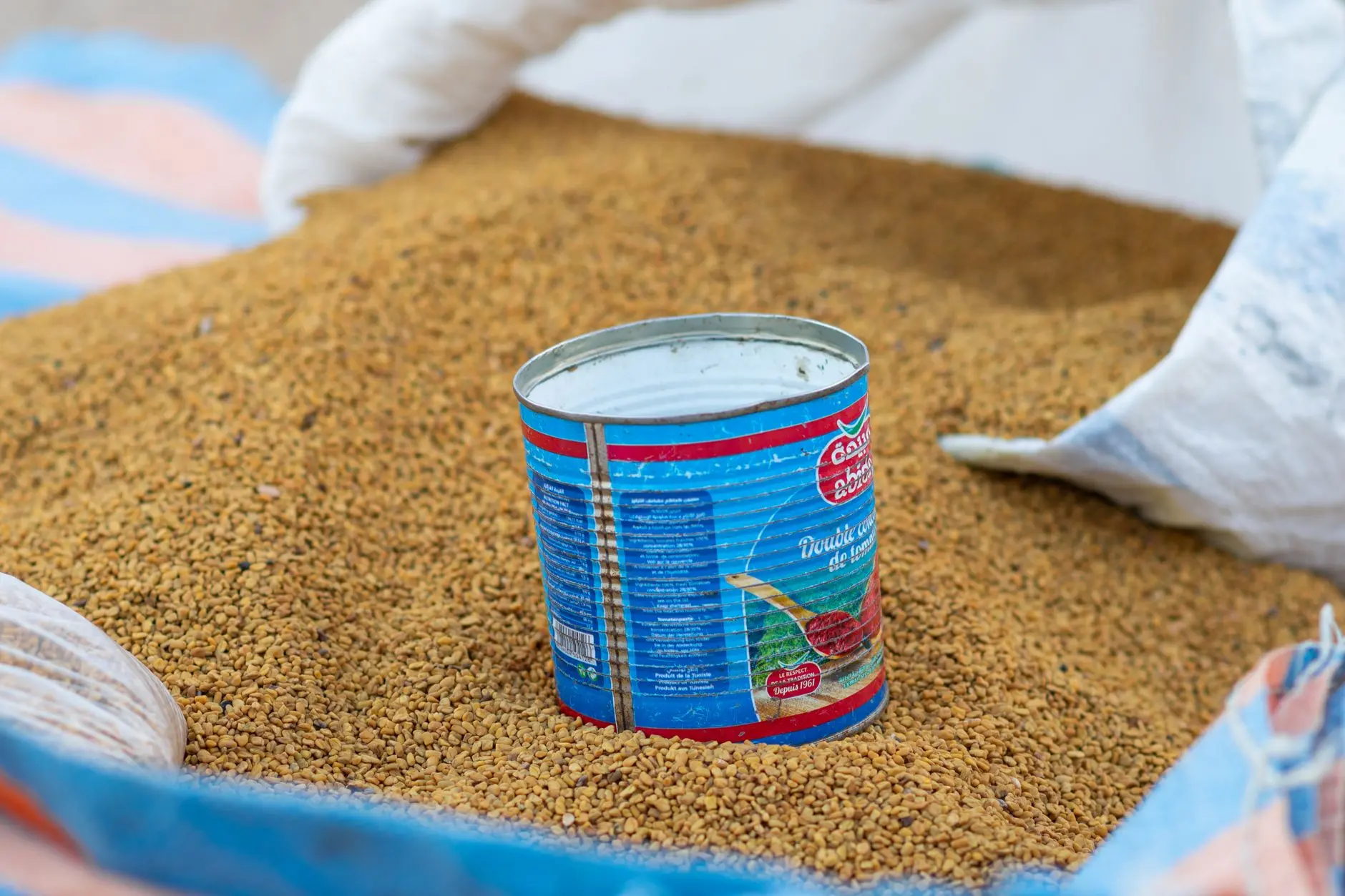
SpiceFenugreek seeds
मेथी दाना (Methi dana)
 Spice
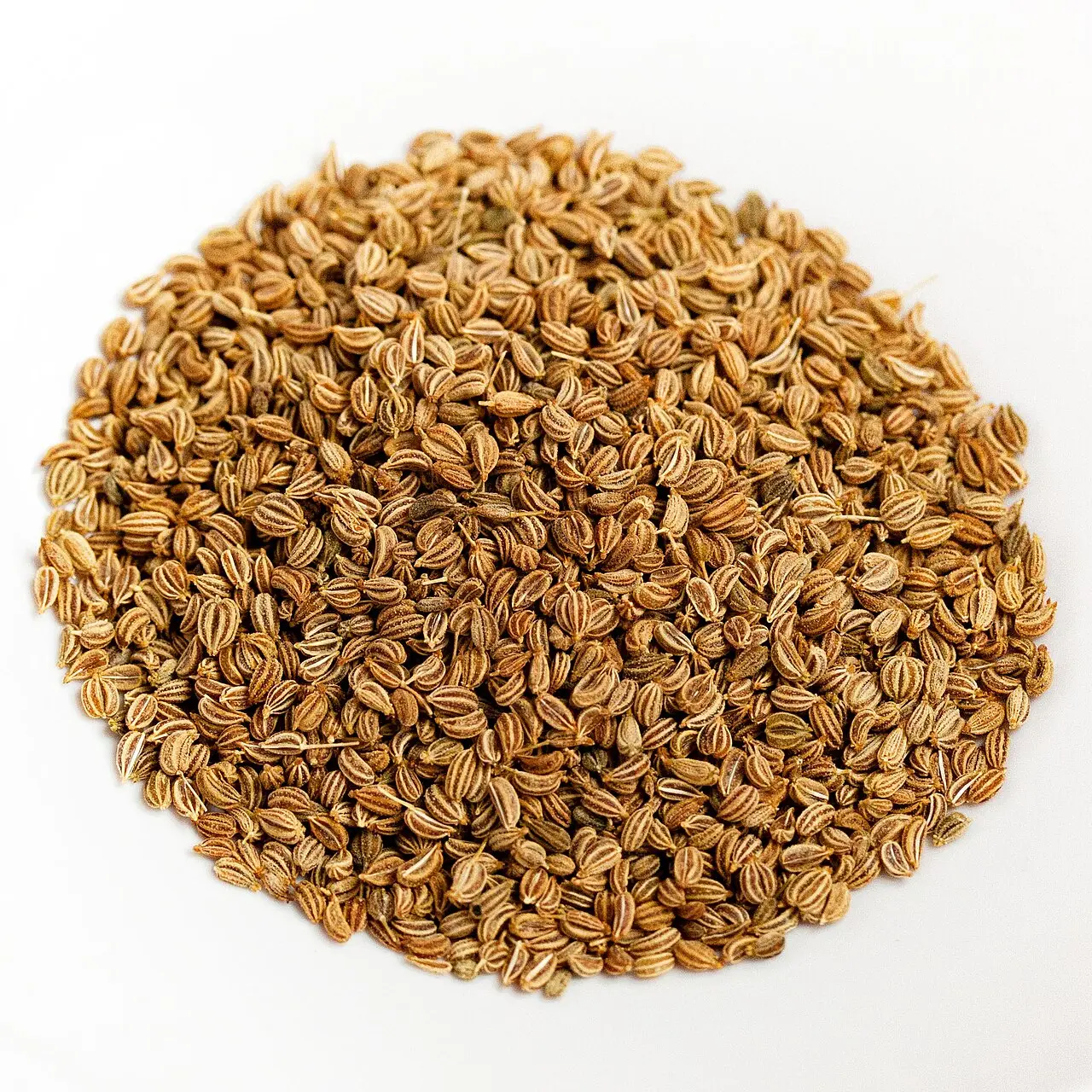
SpiceCarom seeds
अजवाइन (Ajwain)
 Spice
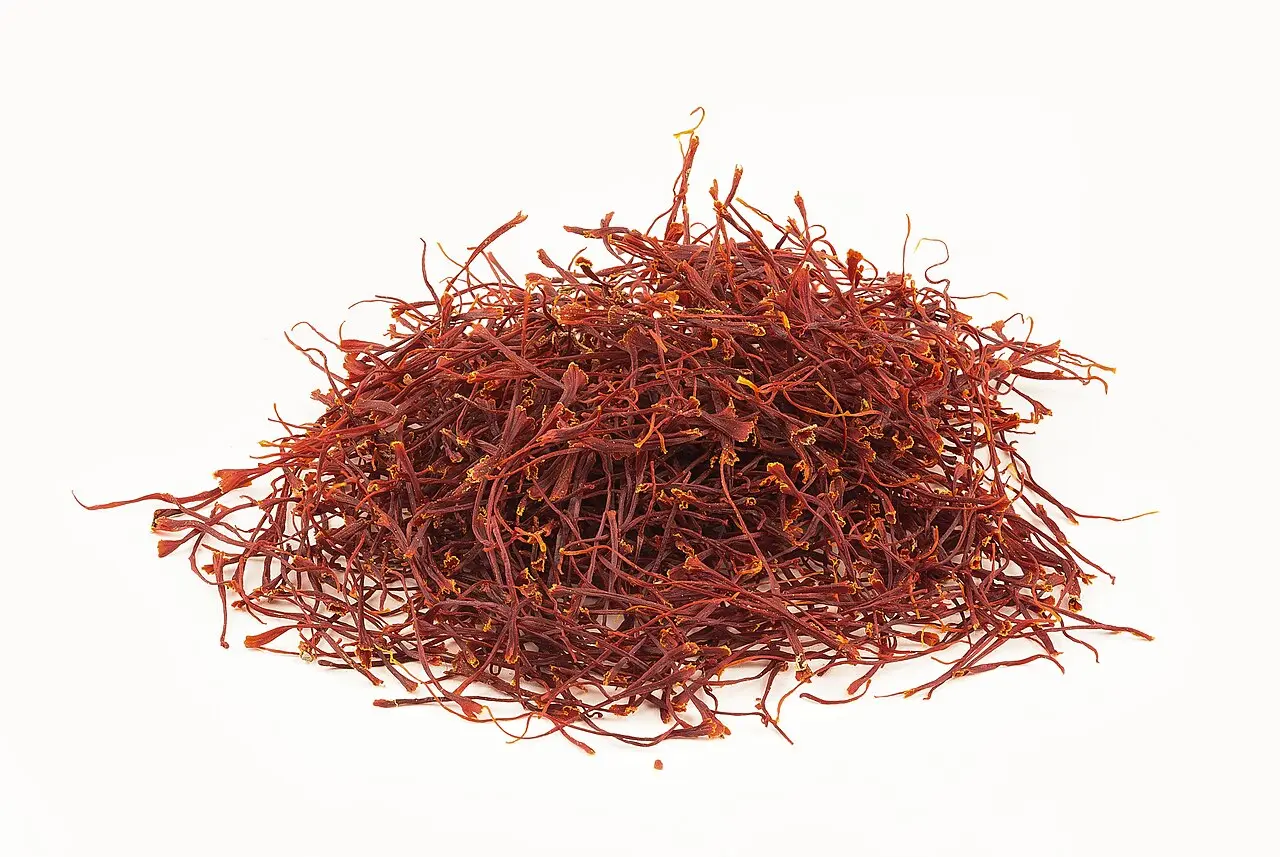
SpiceSaffron
केसर (Kesar)
 Spice
SpiceStone flower
पत्थर फूल (Patthar phool)
 Spice
SpiceTurmeric
हल्दी (Haldi)
 Spice
SpiceBlack cardamom
बड़ी इलायची (Badi elaichi)